Corporate Wellness Retreat: A Planning Guide for Leaders Who Want Real Results

A corporate wellness retreat sounds appealing in theory—give your team a chance to recharge, step away from screens, and return to work refreshed. But too many wellness retreats fall flat. They either lean so heavily into spa days and yoga that business objectives disappear, or they bolt superficial wellness elements onto an otherwise exhausting offsite and call it balanced.
The corporate wellness retreats that actually work take a different approach. They recognize that restoration and productivity aren't opposites—that a well-rested, mentally clear team makes better decisions than an exhausted one grinding through another packed agenda. They design experiences where wellness elements serve business goals rather than competing with them.
This matters more now than it did five years ago. Burnout rates remain elevated across industries. Associations and companies are losing talented people who feel depleted. And the research consistently shows that investing in employee wellbeing pays returns in retention, engagement, and performance.
But you can't just book a resort with a spa and expect transformation. A corporate wellness retreat requires the same intentional planning as any strategic offsite—with additional consideration for how rest, movement, nutrition, and mental space factor into the experience.
This guide walks you through planning a corporate wellness retreat that delivers both restoration and results. You'll learn how to define wellness objectives that connect to business outcomes, select activities that actually refresh your team, choose venues that support your goals, and avoid the common mistakes that leave people more exhausted than when they arrived.
Whether you're planning a leadership retreat, a team reset after a demanding period, or an annual gathering with wellness at its core, this framework helps you design an experience worth the investment.
Define What Wellness Actually Means for Your Team

Wellness means different things to different teams, and assuming everyone shares your definition leads to retreats that miss the mark. Before planning activities, get clear on what your people actually need.
Start by assessing what's depleting your team. Is it relentless workload with no recovery time? Constant digital connectivity that prevents mental rest? Sedentary work habits affecting physical energy? Interpersonal tension or isolation eroding social connection? The specific form of depletion points toward the specific form of restoration that will help.
Consider the dimensions of wellness you're trying to address. Physical wellness includes movement, nutrition, and sleep. Mental wellness covers stress reduction, cognitive rest, and clarity of thought. Emotional wellness involves processing feelings, building resilience, and finding meaning. Social wellness means connection, trust, and belonging within the team. Most corporate wellness retreats benefit from touching multiple dimensions rather than focusing narrowly on one.
Survey your team before planning. Ask what would help them feel restored. Ask what wellness activities appeal to them and which feel forced. The answers might surprise you—your yoga-loving leadership team might assume everyone wants morning meditation, while half the staff would prefer a guided hike or simply unscheduled time.
Be honest about your organizational culture. A team that's never discussed wellness openly may need gentler introduction than one already comfortable with vulnerability. Forcing deep emotional sharing on people who aren't ready backfires. Meeting your team where they are creates space for growth; demanding they leap to where you think they should be creates resistance.
Define success in wellness terms. How will you know the retreat worked? Participant feedback? Observable energy shifts? Sustained behavior changes back at work? Knowing what you're aiming for shapes how you design the experience.
Balance Restoration with Business Objectives

The tension between wellness and productivity is often false. Well-designed corporate wellness retreats accomplish business objectives because they prioritize restoration, not despite it. But finding that balance requires intentional design.
Clarify your business objectives alongside wellness goals. Are you making strategic decisions? Rebuilding team trust after a difficult period? Generating creative ideas? Aligning on priorities? These outcomes are compatible with wellness—in fact, rested minds produce better thinking than exhausted ones. But you need to know what you're trying to accomplish so you can design accordingly.
Reduce the agenda rather than adding wellness to a packed schedule. The most common mistake is keeping the same demanding offsite agenda and sprinkling in a morning yoga session. That's not a wellness retreat; it's a regular retreat with a wellness garnish. True restoration requires margin—unscheduled time, shorter sessions, space to breathe.
Use wellness elements strategically. A centering exercise before a difficult conversation helps people show up present. A walking discussion gets bodies moving while accomplishing work. Reflection time after strategic sessions helps insights solidify. These aren't interruptions to the work; they enhance it.
Sequence your retreat thoughtfully. Front-loading restoration makes sense when people arrive depleted—let them decompress before asking for their best thinking. Alternatively, tackle challenging work early while energy is highest, then shift toward restoration as the retreat concludes so people leave refreshed rather than drained.
Set expectations clearly. If participants arrive thinking it's a spa weekend and encounter strategic planning, they'll resist. If they expect an intense offsite and find meditation sessions, they'll dismiss them. Frame the retreat accurately so people can engage fully with what you've designed.
Choose Activities That Actually Refresh Your Team

Not all wellness activities work for all teams. The activities that refresh your group depend on their preferences, fitness levels, and comfort with vulnerability. Offer variety and let people choose.
Movement options should range in intensity and type. Yoga appeals to some; others prefer hiking, swimming, or simple walking. High-intensity options work for athletic teams but alienate those who aren't. Morning stretch sessions require less commitment than a five-mile trail hike. Provide at least two movement options at any given time so people can self-select.
Mindfulness and reflection benefit from low-pressure framing. Guided meditation feels natural to some and awkward to others. Journaling prompts, silent walks, or simply designated quiet time accomplish similar restoration for those uncomfortable with formal meditation. Frame these as optional tools rather than required programming.
Social connection activities should create space for authentic interaction without forcing intimacy. Shared meals with conversation starters work well. Structured storytelling exercises help people share meaningfully without feeling exposed. Avoid trust falls and forced vulnerability—they generate eye rolls rather than connection.
Nature exposure restores in ways that indoor activities cannot. If your venue offers outdoor spaces, build in time to use them. Even brief outdoor breaks between sessions help. Research on attention restoration consistently shows that natural environments reduce mental fatigue more effectively than indoor rest.
Unstructured time is itself a wellness activity. People who are constantly scheduled rarely get space to think, wander, or simply be. Building genuinely free time into your retreat—not "optional activities" that feel mandatory—gives introverts recovery space and lets spontaneous conversation happen.
Avoid activities that embarrass or exclude. Physical challenges some can't complete, sharing exercises that feel invasive, or anything that puts people on the spot creates negative associations with the retreat overall.
Select a Venue That Supports Wellness Goals

Your venue shapes the retreat experience more than your agenda. A windowless conference center undermines wellness intentions regardless of what activities you plan. Choose a location that makes restoration possible.
Prioritize natural settings. Venues with outdoor access—mountains, lakes, forests, gardens—support wellness in ways urban hotels cannot. The research on nature's restorative effects is robust. Even views of nature from meeting rooms improve cognitive function and reduce stress.
Evaluate the physical environment. Natural light matters for energy and mood. Air quality affects how people feel. Room temperature controls prevent the distraction of being too cold or too hot. Comfortable furniture that doesn't require sitting in rigid conference chairs all day supports physical wellbeing.
Consider the food and beverage options. Heavy, processed meals undermine the energy you're trying to cultivate. Venues with fresh, balanced cuisine—or willingness to accommodate special menus—support your wellness objectives. Ask about healthy snack availability, hydration stations, and flexibility for dietary restrictions.
Look for built-in wellness amenities. Spas, fitness centers, pools, yoga studios, and walking trails mean you don't have to bring in everything yourself. These amenities also give participants choices during free time that align with retreat goals.
Assess the atmosphere. Some venues feel corporate despite natural settings; others feel genuinely restorative. Site visits help you gauge whether a space will support the experience you're designing. If a visit isn't possible, ask for detailed photos and talk to others who've held retreats there.
Distance from work matters. A venue that's too close makes it easy for participants to mentally stay connected to the office. Enough distance to feel like a true departure—typically 60 minutes or more—creates the psychological separation that enables genuine restoration.
Avoid the Mistakes That Waste Your Investment

Well-intentioned corporate wellness retreats fail in predictable ways. Knowing the common mistakes helps you avoid them.
Over-programming defeats the purpose. Retreats packed from sunrise to late evening leave no time for actual rest. The compulsion to maximize every hour creates exhaustion. Build in significantly more unscheduled time than feels comfortable—you can always add activities if needed, but you can't manufacture margin on the fly.
Mandatory wellness backfires. Forcing people into yoga, meditation, or emotional sharing creates resistance. What feels restorative to leadership may feel coercive to staff. Offer activities as invitations rather than requirements, and provide options so people can choose what works for them.
Ignoring digital connectivity undermines restoration. If people are checking email between sessions, they never truly disconnect. Set clear expectations about phone use. Provide a way for true emergencies to reach people, then encourage devices off. Some teams benefit from literally collecting phones; others self-regulate with clear norms.
Wellness as window dressing insults participants. A demanding offsite rebranded as a "wellness retreat" because you added one morning walk fools no one. If business objectives require an intensive agenda, call it what it is. Don't appropriate wellness language for retreats that aren't designed around restoration.
Returning to chaos erases benefits. Sending people back to overflowing inboxes and stacked meetings the morning after they return guarantees the restoration won't last. Consider a soft reentry—no meetings the first day back, or a half-day Friday return that allows weekend continuation of rest.
No follow-through on insights squanders the investment. If the retreat surfaces important realizations about workload, boundaries, or team functioning, ignoring them back at the office breeds cynicism. Act on what you learn, or explain why you can't.
Measure Whether Your Wellness Retreat Worked
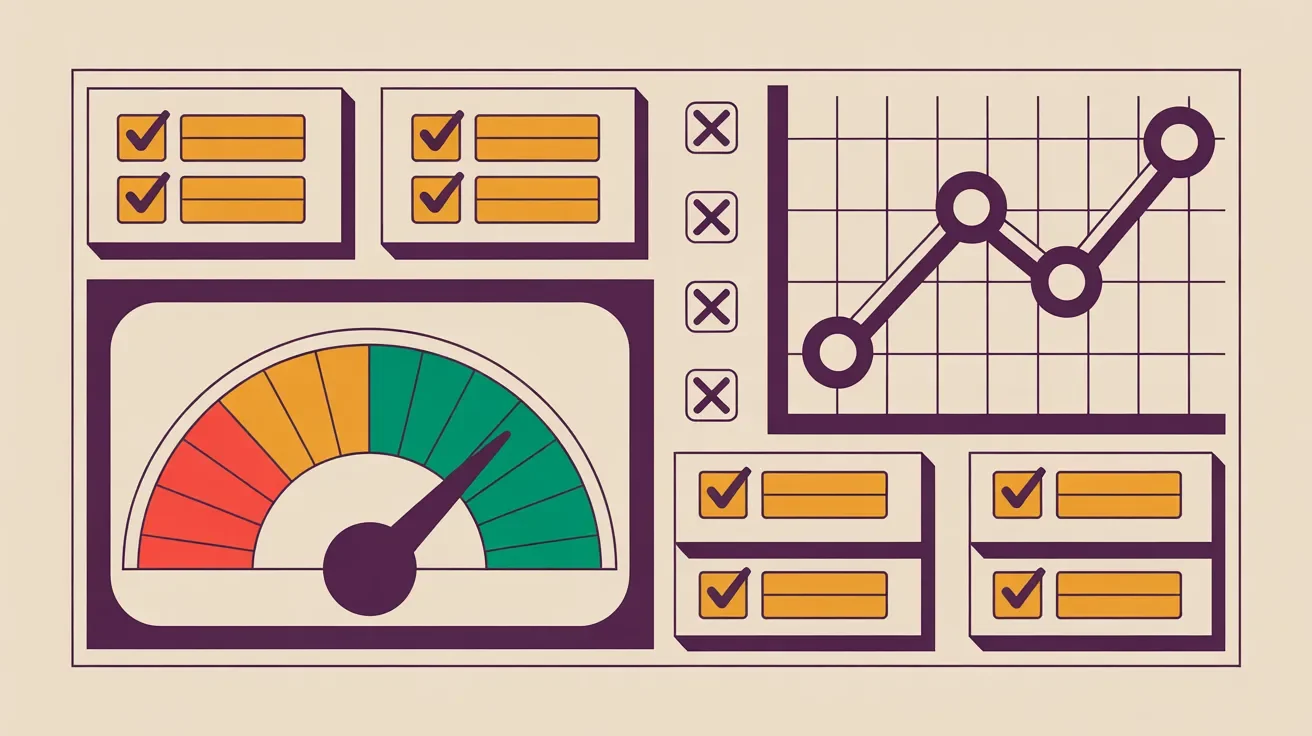
Demonstrating retreat value helps justify future investment and identifies what to improve. Build measurement into your design from the start.
Gather immediate feedback while impressions are fresh. A brief end-of-retreat survey captures what worked and what didn't. Ask about specific elements: venue, activities, pacing, food, facilitation. Ask about overall experience: did they feel restored? Did they connect with colleagues? Would they recommend this retreat to others?
Assess baseline and compare. If possible, measure wellbeing indicators before and after the retreat. Simple scales for stress, energy, and team connection provide data points. You won't achieve scientific rigor, but directional indicators help.
Check in at intervals after returning. A two-week follow-up asks whether restoration persisted or evaporated upon return. A month later, assess whether any behavior or cultural changes stuck. These touchpoints reveal whether the retreat created lasting impact or just temporary relief.
Track business outcomes where possible. If the retreat aimed at specific goals—strategic decisions, team alignment, creative output—evaluate progress on those outcomes. Connect retreat investment to tangible results when you can.
Compare to previous retreats or offsites. If you've done non-wellness retreats before, participant feedback provides comparison points. Higher satisfaction, lower reported exhaustion, or more sustained energy suggests the wellness approach adds value.
Document learnings for future planning. What activities resonated most? What fell flat? What would participants change? Capture these insights while they're current. Your next retreat builds on what you learned from this one.
Be realistic about attribution. Retreats don't happen in isolation—many factors affect team wellbeing and performance. You can demonstrate correlation between the retreat and positive outcomes without claiming it caused everything good that followed.
A corporate wellness retreat represents more than a break from work—it's an investment in your team's capacity to perform, innovate, and stay engaged for the long term. Getting it right requires balancing restoration with business objectives, choosing activities that genuinely refresh your people, and avoiding the common mistakes that leave participants more drained than when they arrived.
Planning a corporate wellness retreat that actually delivers results takes expertise. Purple Wave Creative helps associations and businesses design retreats that restore energy and accomplish objectives. Contact us to start planning yours.