How to Promote Your Golf Outing: A Marketing Guide for Tournaments That Actually Fill
You can plan the perfect golf outing—great course, solid sponsors, smooth logistics—and still fail because nobody showed up.
I've watched it happen. Organizations pour months into tournament planning, nail every operational detail, and then scramble three weeks out because registration is at 60%. The frantic last-minute push fills some spots, but the field is thin, the energy is off, and the event feels underpowered.
The problem is almost never the event itself. The problem is promotion that started too late, relied on the wrong channels, or assumed people would just show up because they came last year.
Golf outing promotion isn't complicated, but it requires consistency, multiple touchpoints, and starting earlier than feels necessary. The organizations that fill their fields aren't lucky—they're deliberate about marketing.
This guide covers how to promote your golf outing effectively. Email campaigns that actually drive registration. Social media that extends your reach beyond existing lists. Print materials that look professional and get noticed. Personal outreach that fills foursomes when digital falls short.
Whether you're promoting a charity tournament, a corporate client outing, or an association member event, the principles are the same. Get the word out early, stay consistent, create urgency, and make registration frictionless.
Our 「golf outing planning guide」 covers tournament logistics. Our 「corporate golf outing planning」 post addresses business event strategy. Our 「charity golf tournament planning」 guide focuses on fundraising. This post is specifically about the marketing that makes all that planning worthwhile.
A well-planned tournament with poor promotion is a waste of effort. Let's make sure your outing fills.
The Promotion Timeline That Actually Works
Most golf outings start promotion too late. By the time urgency kicks in, calendar spots are filled and your tournament is competing with everything else.
Here's the timeline that works:
4-6 months out: Save the date
Send initial announcement to past players, sponsors, and database
Lock in your title sponsor so they're featured from the start
Post event to website and social channels
Begin sponsor prospecting conversations
3 months out: Registration opens
Launch registration with early bird pricing
Deploy first email campaign to full list
Begin social media promotion cadence
Activate board/committee personal outreach
Distribute printed materials to key locations
2 months out: Push phase
Second email campaign emphasizing early bird deadline
Sponsor recruitment intensifies
Social proof content (past photos, testimonials)
Personal follow-up with past players who haven't registered
1 month out: Urgency phase
Early bird expires—communicate the deadline heavily
Third email campaign with urgency messaging
Social countdown begins
Direct outreach to fill remaining spots
Sponsor deadline communications
2 weeks out: Final push
"Last chance" messaging across all channels
Personal calls to fill gaps
Waitlist if you're fortunate enough to need one
Week of: Confirmation
Final details to registered players
Day-of logistics communication
Weather contingency if needed
The mistake is waiting until two months out to start. By then, golfers have committed their weekends elsewhere. Early awareness—even before registration opens—plants the seed that keeps your date protected on calendars.
A structured email campaign with planned touchpoints across this timeline keeps your tournament visible without overwhelming recipients.
Email Marketing—Your Registration Workhorse

Email drives more golf outing registrations than any other channel. Social media creates awareness; email converts.
Build your list strategically:
Past players (your warmest audience)
Current donors/members/customers
Sponsor contacts and their networks
Board and committee personal contacts
Partner organization lists (with permission)
A segmented email strategy lets you tailor messaging—past players get "join us again" language while new prospects get "here's what you're missing."
The email sequence that works:
Email 1: Save the date (4-6 months out) Brief. Date, course, basic details. "Mark your calendar—registration opens soon."
Email 2: Registration open (3 months out) Full details. Early bird pricing. Clear registration link. Sponsorship opportunities.
Email 3: Early bird reminder (6 weeks out) Urgency around early bird deadline. Social proof—"X foursomes already registered."
Email 4: Early bird expires (1 month out) Final early bird push. Price increase coming. Momentum messaging.
Email 5: Regular registration push (3 weeks out) Field filling up. Specific spots remaining. Sponsor recognition.
Email 6: Final push (1-2 weeks out) Last chance. Deadline approaching. Personal appeal.
Email 7: Confirmation and details (week of) Logistics for registered players. Schedule, format, what to bring.
Design matters. Emails that look professional get taken seriously. Emails that look like afterthoughts get deleted. Branded email templates with quality golf imagery signal a well-run event before anyone registers.
Subject lines drive opens:
"Save your spot: [Tournament Name] registration now open"
"Early bird ends Friday—[Tournament Name]"
"Only 8 foursomes left—[Tournament Name]"
Track performance. Open rates, click rates, registration conversions. Learn what works for your audience.
Social Media—Extending Reach Beyond Your List
Email reaches your existing list. Social media reaches everyone they know.
When a board member shares your tournament post, their network sees it. When a past player comments, their connections notice. Social extends your reach beyond the names in your database.
A consistent social media presence for your tournament requires planning, content creation, and regular posting—not just one announcement and hoping for shares.
Platform strategy:
Facebook remains strongest for golf tournament promotion, especially for charity and community events. Event pages, targeted local reach, and sharing mechanics work well.
LinkedIn works for corporate outings and professional association tournaments. Business audience, B2B sponsor recruitment, professional credibility.
Instagram builds visual excitement—course beauty, past event highlights, behind-the-scenes prep. Younger demographic if that's your audience.
Content that performs:
Course beauty shots showcasing where they'll play
Past event photos showing real people having fun
Sponsor recognition (which sponsors then share)
Countdown posts building urgency
Registration milestone celebrations ("50 players registered!")
Prize and contest teasers
Committee/volunteer spotlights
Mission connection for charity events
Encourage sharing deliberately. Ask board members to share. Tag sponsors so they'll reshare. Create content people want to share—not just announcements, but engaging moments.
Social media graphics should be sized correctly for each platform, branded consistently, and visually compelling. A poorly designed graphic undermines everything it promotes.
Boost strategically. A small paid budget ($50-200) on Facebook can extend reach significantly within your geographic target. Boost your best-performing organic content rather than creating separate ads.
Don't post once and disappear. Social media rewards consistency. Weekly posts minimum during active promotion, more frequent as the event approaches.
Print Materials—Still Relevant, Still Effective
Digital dominates, but print still has a place—especially for golf outings where your audience skews older or where physical presence matters.
Save-the-date postcards arrive in mailboxes and sit on desks. They're tangible reminders in a digital world. For your most important invitees—past players, top sponsor prospects, key relationships—a mailed piece signals importance.
Flyers for distribution work in golf shops, clubhouses, offices, and community locations where your target audience spends time. A stack at the pro shop of a course frequented by your demographic extends reach without additional effort.
Sponsor packets need to look professional. When you're asking businesses for $500-$10,000, a poorly designed sponsorship deck undermines your ask. Quality presentation signals a quality event.
Programs for the event itself serve as keepsakes, sponsor recognition vehicles, and day-of information sources. Players keep programs; your sponsors' logos go home with them.
Every printed piece represents your organization. Professional design isn't optional—it's how you signal that this tournament is worth someone's time and money.
Design consistency matters. Your save-the-date, email headers, social graphics, flyers, and event signage should look like they belong together. Consistent branding builds recognition and professionalism.
Include QR codes on print materials. A code linking directly to registration makes the jump from physical to digital seamless. Don't make people type URLs.
Distribution strategy:
Mail save-the-dates to VIP list
Place flyers at golf courses, country clubs, offices
Include in organization newsletters or mailings
Give stacks to board members for personal distribution
Leave at sponsor business locations
Print supports digital; it doesn't replace it. Use print strategically for high-value targets and physical presence, while email and social do the heavy lifting.
Personal Outreach—The Channel That Closes
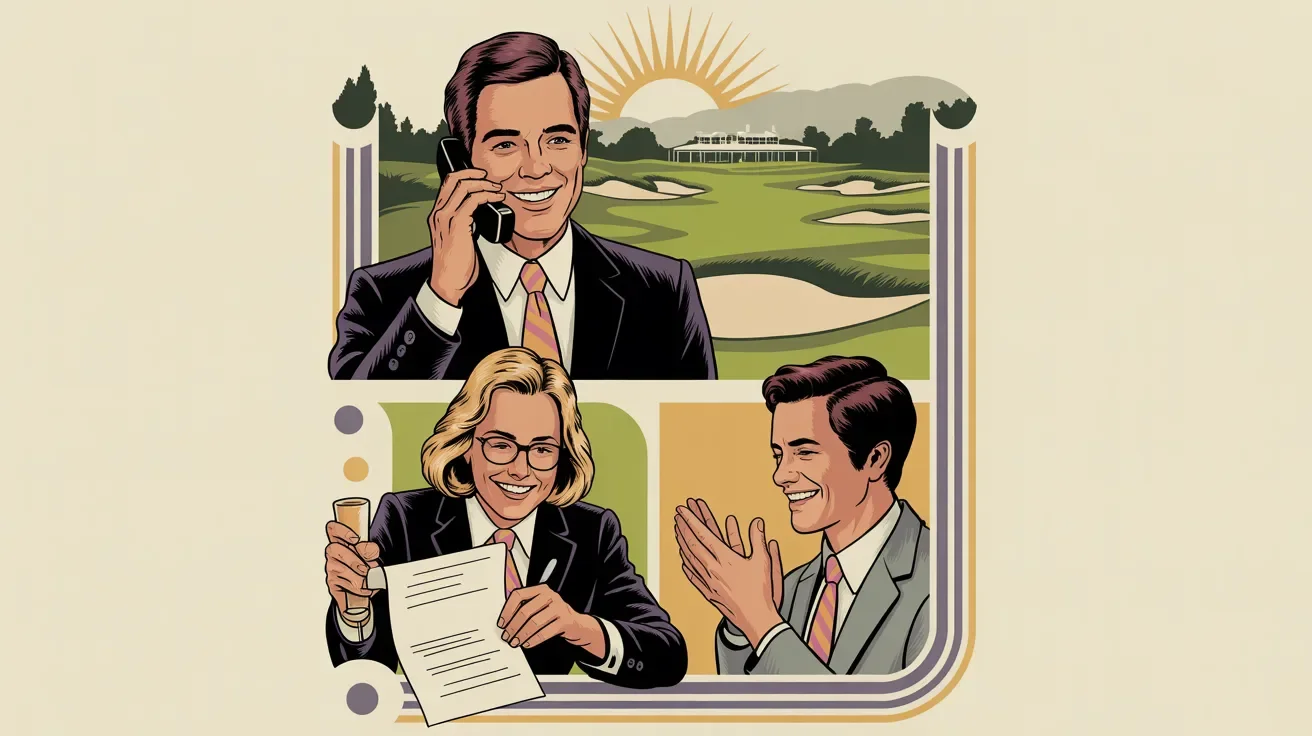
Emails get opened. Social gets shared. But personal outreach closes registrations.
When a board member personally calls a colleague to invite them, the conversion rate is dramatically higher than any digital channel. Personal invitation carries weight that mass communication can't match.
Board and committee members should have specific goals:
"Each board member commits to filling one foursome"
"Committee members each recruit two new players"
"Past captains personally invite their teams back"
Make it easy for them. Provide:
Key details on one page (date, course, cost, registration link)
Suggested language for emails and conversations
Forwarding-ready digital invitation
List of who they should personally contact
Track progress publicly. "The board has committed to 12 foursomes—8 are filled. Four to go." Peer accountability motivates action.
Handwritten notes stand out. For your most important prospects—major sponsor targets, key relationship players, VIP invitees—a personal note from the tournament chair or executive director cuts through digital noise.
Phone calls work better than emails for:
Past players who haven't registered yet
Sponsor prospects who haven't responded
VIPs whose attendance matters symbolically
People who are on the fence
Follow up on soft commitments. "Sounds great, I'll register soon" often means "I'll forget by next week." Gentle follow-up converts intention to action.
Personal outreach is especially critical in the final weeks. When you need to fill the last 20 spots, email blasts won't do it. Individual calls to individuals will.
This is labor-intensive work, but it's the difference between a full field and an almost-full field. Distribute the responsibility; don't let it fall on one person.
Sponsor Recruitment Marketing
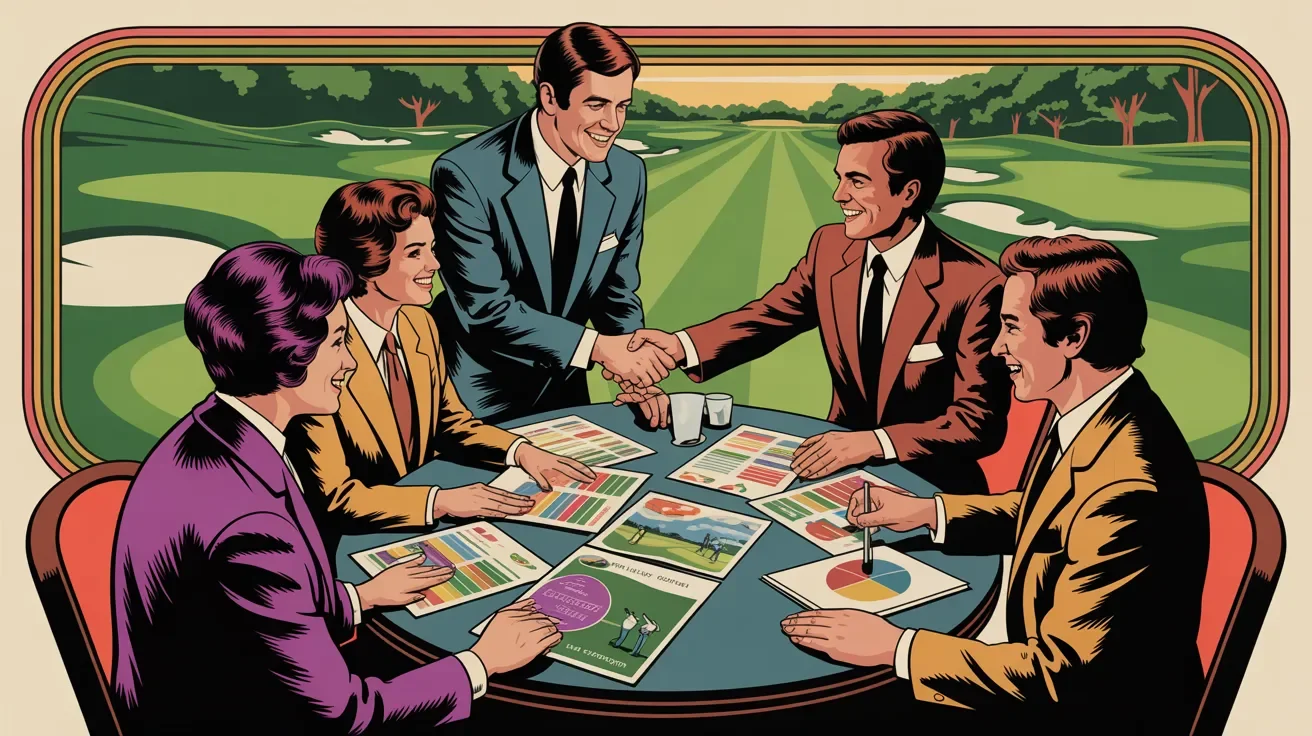
Sponsors don't materialize from announcements. They come from targeted outreach with professional materials.
Your sponsorship packet is a sales document. It should look polished, clearly communicate value, and make saying yes easy. A one-page overview plus detailed benefits breakdown works for most situations.
Sponsorship packet essentials:
Tournament overview (date, course, expected attendance, audience demographics)
Mission connection (especially for charity events)
Sponsorship levels with clear benefits
Deadlines and payment information
Contact for questions
Visuals from past events showing sponsor presence
Tailor outreach to the prospect. A local business owner gets a different pitch than a corporate marketing director. Know what each sponsor cares about—community visibility, client entertainment opportunities, employee engagement, brand alignment—and emphasize accordingly.
Email sequences for sponsor prospects work similarly to player recruitment—initial introduction, follow-up with details, reminder before deadline. But sponsorship asks typically require personal follow-up to close.
Make the ask personally when possible. Sponsorship packets open doors; relationships close deals. A board member with a connection to the prospect should make the ask, supported by professional materials.
Show proof of value. Photos from past events showing sponsor signage prominently displayed. Testimonials from satisfied sponsors. Attendance numbers and audience demographics. Evidence that sponsors get real visibility.
Follow up persistently but professionally. Sponsor prospects are busy. A single email rarely closes a sponsorship. Plan for three to five touchpoints before assuming the answer is no.
Recognize early sponsors to create momentum. "Presenting Sponsor: ABC Company" announced early signals legitimacy and encourages others to join.
Our 「charity golf tournament planning」 post covers sponsorship strategy for fundraiser contexts specifically.
Creating Urgency Without Being Annoying
People procrastinate. Your promotion needs to overcome that without becoming spam.
Early bird pricing creates natural deadlines. The price increase is real—not manufactured urgency. Communicate it clearly and repeatedly as the deadline approaches. "Early bird ends Friday—save $25/player" is compelling and honest.
Limited field size creates scarcity. Golf courses have capacity limits. "Only 12 foursomes remaining" is true and motivating. Update this number as registration progresses.
Registration deadlines matter for planning. You need final numbers for the course, caterer, and gift orders. A deadline serves legitimate purposes—communicate why it matters.
Countdown content builds momentum:
"30 days until [Tournament Name]"
"2 weeks left to register"
"Final weekend to secure your spot"
Milestone celebrations show social proof:
"50 players registered—halfway to our goal!"
"Title sponsor secured: Welcome [Company Name]!"
"Last year's champions returning to defend their title"
Consistent social posting with urgency messaging keeps your tournament visible without requiring recipients to open another email.
Balance frequency with value. Daily emails are too many; one email total is too few. Weekly touchpoints during active promotion, increasing to twice weekly in the final two weeks, works for most audiences.
Vary the message, not just the timing. Each communication should offer something—new information, a new angle, a new reason to act. Repeating the same message creates fatigue.
Personalization cuts through noise. "We noticed you haven't registered yet" feels more relevant than generic broadcasts. Segmented email campaigns let you target differently based on recipient status.
The final push can be more aggressive. In the last week, daily communication is acceptable. People expect urgency close to deadlines.
Leveraging Past Event Content

Your best promotional content already exists—from last year's event.
Photos tell the story. Golfers enjoying the course. Groups laughing at the turn. Award winners celebrating. Sponsors prominently displayed. Action shots of great swings. These images prove your tournament is worth attending.
Past event photos fuel months of social content. Throwback posts, "remember when" moments, "join us again" invitations—all built from content you already have.
Testimonials build credibility:
"Best-run tournament I play all year"
"Our company has sponsored for five years—the exposure is worth it"
"Great cause, great golf, great people"
Gather these intentionally. Post-event surveys should ask for quotable feedback. Permission to use names and photos increases credibility.
Video highlights capture energy. Even a simple compilation of photos set to music creates emotional content. More sophisticated highlight reels—if you captured video—show the full tournament experience.
Results and impact create proof:
"Last year's tournament raised $45,000 for [mission]"
"120 golfers joined us on a perfect June day"
"18 sponsors supported our cause"
Turn past event content into designed promotional pieces—photo collages, quote graphics, by-the-numbers infographics. Raw photos are good; designed content is more shareable.
If you don't have past content, document this year's event thoroughly. Assign someone to capture photos throughout the day. Get testimonials before people leave. Record the awards program. This year's content becomes next year's promotional fuel.
Nostalgia motivates past participants. "Remember this shot?" with a great action photo reminds past players why they loved the event. "Join us again" becomes personal.
The Registration Experience—Don't Lose Them at the Finish Line
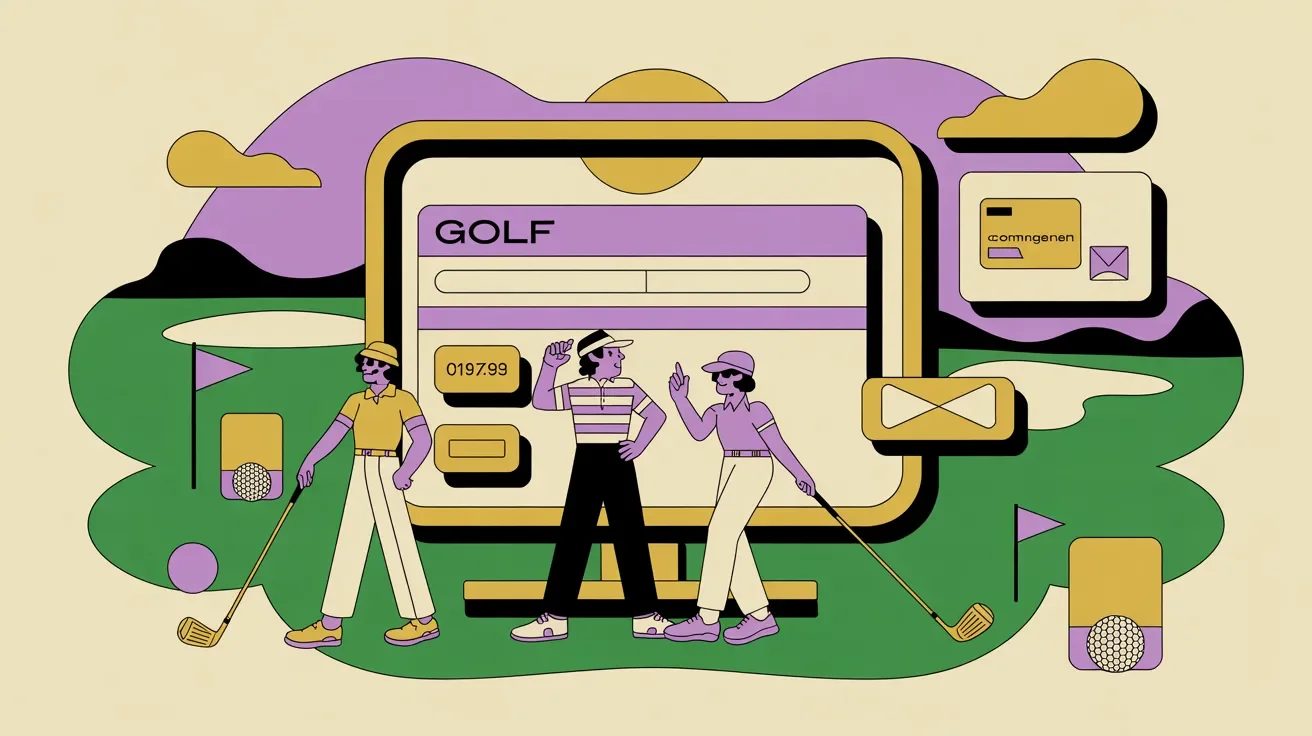
Great promotion is wasted if registration is frustrating.
You've convinced someone to register. They click the link. And then... a complicated form, unclear pricing, no credit card option, broken mobile experience. They abandon. You've lost them.
Registration must be frictionless:
Online and mobile-friendly. If someone can't register on their phone, you've lost a percentage of registrations. Period.
Simple forms. Name, email, phone, dietary restrictions if applicable. Don't ask for information you don't need. Every additional field reduces completion.
Clear pricing. Player fee, sponsorship options, add-ons—all obvious at a glance. No surprises at checkout.
Credit card processing. Cash and check options are fine as alternatives, but credit card should be default. The friction of finding a checkbook loses registrations.
Immediate confirmation. Auto-generated email confirming registration, summarizing details, and providing next-step information. No one should wonder if their registration went through.
Foursome management. Let captains register their full team or let individuals register and be matched. Both options serve different registrants.
Confirmation emails should be well-designed, branded, and informative—they're a touchpoint that reinforces professionalism.
Test your registration process. Complete it yourself on desktop and mobile. Have someone unfamiliar with the event try it. Identify friction points before they cost you registrations.
Track drop-off. If your registration platform provides analytics, look at where people abandon. A 50% drop-off at the payment page signals a payment problem. High abandonment on a specific field means that field is confusing.
Follow up on abandoned registrations. If your platform captures partial registrations, reach out to people who started but didn't finish. "We noticed you started registering—can we help?" often recovers lost conversions.
Promotion Checklist By Timeline
Your actionable promotion checklist:
4-6 Months Out:
Secure title sponsor for early recognition
Create save-the-date messaging and graphics
Send save-the-date email to full database
Post announcement to website and social channels
Begin sponsor prospect outreach
Mail save-the-date postcards to VIP list
3 Months Out:
Launch registration (ensure mobile-friendly, credit card enabled)
Deploy "registration open" email campaign
Begin regular social media posting cadence
Distribute printed materials to key locations
Brief board/committee on recruitment goals
2 Months Out:
Send early bird reminder email
Intensify sponsor recruitment
Post past event content as social proof
Check in with board on foursome progress
Follow up with past players who haven't registered
1 Month Out:
Early bird deadline push across all channels
Send third email campaign
Social countdown begins
Personal outreach to fill remaining spots
Final sponsor deadline communications
2 Weeks Out:
"Last chance" messaging across all channels
Personal calls to fill gaps
Finalize field and communicate logistics to registered players
Confirm all sponsor materials are ready
Week Of:
Final details email to registered players
Thank you to sponsors on social media
Weather contingency communication if needed
Day-of logistics confirmation
Post-Event:
Thank-you email with photos within 48 hours
Post event highlights on social media
Sponsor fulfillment reports with documentation
Save the date for next year
Promotion is where many golf outings fail—not because the event wasn't worth attending, but because nobody knew about it in time.
Early start, consistent messaging, multiple channels, personal outreach, and frictionless registration work together to fill your field. Skip any of them, and you're scrambling at the end.
The golf outing that promotes well is the golf outing that succeeds.
Purple Wave Creative helps organizations promote golf outings through integrated marketing—email campaigns, social media management, and professional design that signals a tournament worth attending. Contact us if you want your next outing to fill.