Charity Event Planning: A Brutally Honest Guide to Fundraisers That Actually Net Money

Let me tell you about a gala I attended last year. Beautiful venue. Gorgeous centerpieces. Open bar. Live band. Silent auction with 200 items. A program that ran ninety minutes with three video tributes and a celebrity emcee.
The organization netted $22,000.
They spent months planning. Staff worked weekends for weeks. Volunteers logged hundreds of hours soliciting auction items. The executive director told me afterward, exhausted but smiling, that it was their "most successful gala ever."
I didn't have the heart to point out that a well-crafted email appeal to their existing donors would have raised more with approximately none of the effort.
This is the dirty secret of charity event planning: most fundraisers are extraordinarily inefficient ways to raise money. The events industry won't tell you this. The gala consultants won't tell you this. The venues and caterers and rental companies definitely won't tell you this.
But I will, because I've spent 25 years watching organizations pour resources into events that feel successful but aren't—and occasionally helping them build fundraisers that actually work.
This guide is about charity event planning that makes financial sense. Not events that look impressive. Not events that make board members feel good. Events that net real money for your mission after accounting for every dollar spent and every hour invested.
If you're planning a fundraiser, you need to read this before you book a venue, hire a caterer, or tell your board you're "definitely doing the gala again this year."
Our nonprofit event planning guide covers the broader landscape. This post goes deep on the specific challenge of making fundraising events actually raise funds.
The Math Most Organizations Refuse to Do

Before we talk about how to plan a fundraiser, let's talk about whether you should plan one at all. That requires math most organizations avoid.
Start with your gross revenue goal. Say it's $100,000. Feels ambitious. Board is excited.
Now subtract venue rental: $8,000. Catering: $15,000. Rentals and décor: $5,000. Entertainment: $3,000. Printing and invitations: $2,000. AV and production: $4,000. Auction software and credit card fees: $3,000. Miscellaneous (there's always miscellaneous): $5,000.
You're at $55,000 in hard costs. To net $45,000.
But we're not done. Your development director spent 200 hours on this event. At a loaded cost of $50/hour, that's $10,000 in staff time. Your event coordinator spent 150 hours. Another $6,000. Administrative support, volunteer coordination, vendor management—let's conservatively add $4,000 more.
Real cost: $75,000. Net: $25,000.
And we haven't counted volunteer time, board member time, or the opportunity cost of what your development team wasn't doing while they planned this gala.
That $100,000 gross that sounded impressive? Your true ROI is 33 cents on the dollar.
Now compare to a year-end direct mail and email campaign. Cost: maybe $5,000 including design, printing, postage, and staff time. If it raises $30,000, your ROI is $6 for every dollar spent.
I'm not saying events are never worth it. I'm saying do the actual math before deciding. Most organizations don't. They compare this year's gross to last year's gross and call it analysis.
If your event can't demonstrate a compelling ROI compared to other fundraising methods, you need to either redesign it or reconsider doing it.
What Fundraising Events Can Do That Appeals Can't

I just spent 300 words questioning whether you should do a fundraiser at all. Now let me tell you why you might do one anyway.
Events create emotional experiences that letters can't. Hearing a beneficiary tell their story in person. Seeing the mission in action. Being in a room full of people who share your values. These experiences forge connections that a well-written appeal simply cannot replicate.
Events build community among donors. Major donors often give partly because they want to belong to something larger than themselves. Events let them see each other, reinforce their shared identity, and feel part of a movement. That community keeps them engaged and giving.
Events reach new audiences. Someone attends because a friend invited them. They didn't know about your organization; now they do. They're moved by what they see and hear. A new donor is born. Events can be acquisition tools in ways that appeals to existing lists cannot.
Events create peer pressure—the good kind. When the paddle raise happens and people see their tablemates giving, social dynamics drive generosity. Public commitment creates follow-through. The room's energy becomes contagious. This is harder to manufacture through other channels.
Events provide recognition opportunities. Major donors and sponsors want visibility. Events give you something tangible to offer—naming rights, speaking roles, premium seating. These benefits have value that justifies larger gifts.
Events generate content. Photos, videos, testimonials, social media moments—a well-documented event produces assets you'll use in appeals all year. The storytelling fodder alone has value.
The question isn't whether events have unique benefits. They do. The question is whether your event captures these benefits at a cost that makes sense. Many don't.
Designing a Fundraiser That Actually Fundraises
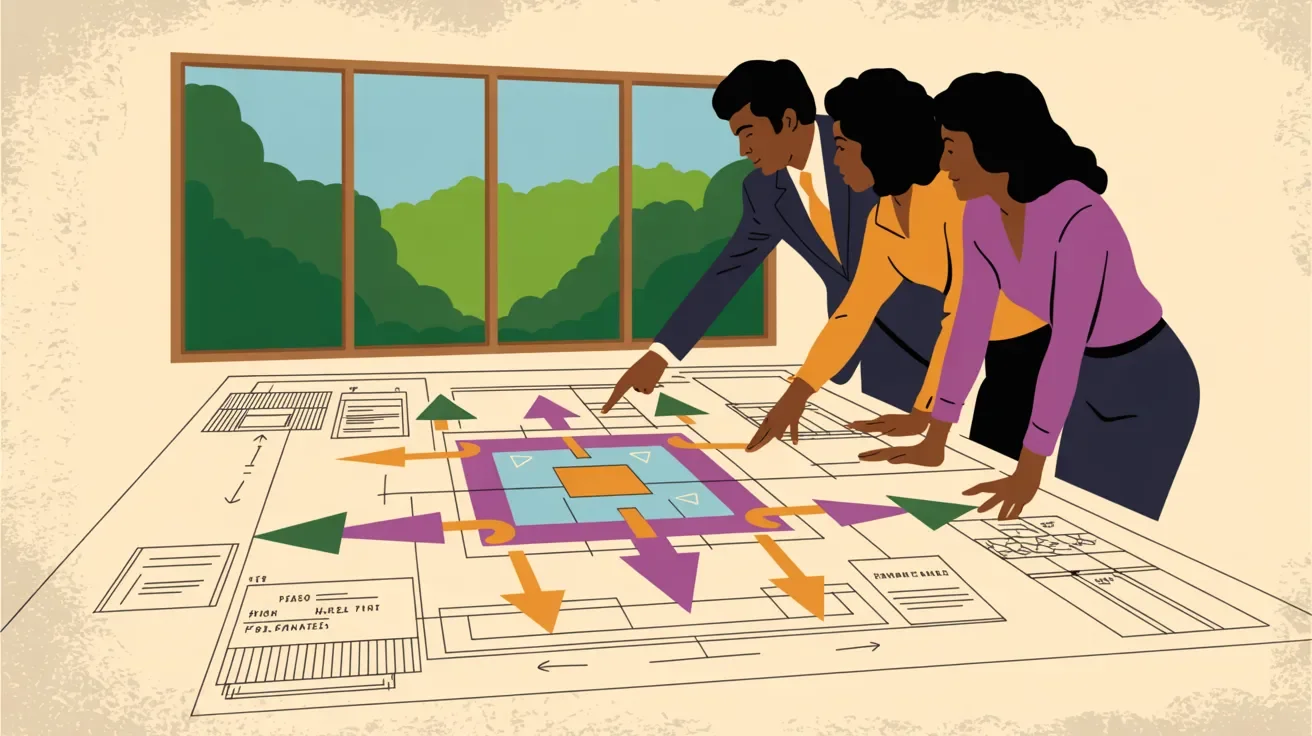
Here's the fundamental error: most charity events are designed as parties first and fundraisers second.
The planning starts with the fun stuff—venue, food, entertainment, décor. Fundraising gets bolted on as an afterthought. A silent auction table in the corner. A paddle raise squeezed between dinner and dessert. A vague appeal from the stage that attendees half-hear while checking their phones.
Flip it. Design the fundraising first, then build the event around it.
Start with the ask. What's your fundraising goal? How will you reach it—ticket sales, sponsorships, auction, paddle raise, direct asks? What percentage should come from each source? Work backwards from those numbers.
The paddle raise is where real money happens. Not the silent auction, which is labor-intensive and low-yield. Not the raffle, which may actually be illegal in your state depending on how it's structured. The paddle raise—also called fund-a-need or direct appeal—is where donors give because they're moved, not because they're bidding on a vacation package.
Design your program to build toward that moment. Everything before it should create emotional momentum. The mission video. The beneficiary speaker. The organizational update that demonstrates impact. You're warming the room for the ask.
Time the ask correctly. After dinner, before dessert works for most events. People are fed, comfortable, and attentive. They haven't mentally checked out yet. The bar has done its work but not too much of it.
Make the ask specific and urgent. Not "please consider supporting our work" but "right now we're raising $75,000 to provide summer camp scholarships for 50 kids who otherwise couldn't afford to go." Concrete. Achievable. Tonight.
Your fundraising event planning approach should center the fundraising, not apologize for it.
The Silent Auction Trap

I need to talk about silent auctions because they're consuming nonprofit resources for minimal return, and nobody seems willing to say it.
The typical silent auction math is brutal. You need 100+ items to look respectable. Each item requires solicitation (staff or volunteer time), tracking (more time), display (materials and setup), and fulfillment (winner notification, pickup coordination, shipping for no-shows). If your average item brings in $75, you've raised $7,500—for what might be 100+ hours of collective effort.
Most auction items don't sell for their value. That $200 restaurant gift card? It'll go for $110. The weekend getaway "valued at $500"? Maybe $300. Donors know they can buy most of these things themselves. They're not coming to your event to get deals on spa packages.
The items that work require access, not solicitation. Exclusive experiences. Behind-the-scenes access. Dinner with someone interesting. The thing money can't normally buy. These items generate real bidding wars. Everything else is filler that clutters your tables and exhausts your volunteers.
Consider a smaller, curated auction. Twenty exceptional items beat two hundred mediocre ones. Less solicitation time. Less display hassle. More focused donor attention. Higher per-item revenue.
Or consider skipping it entirely. Put that volunteer energy into selling tables and cultivating major donors. Extend your paddle raise to capture the impulse giving that auctions try to tap. Add a wine pull or other low-effort, high-margin alternative.
The silent auction persists because "we've always done it" and because it gives volunteers a concrete task. Neither is a good enough reason to keep doing something that produces poor ROI.
Be willing to question the sacred cows. Your exhausted volunteers will thank you.
Sponsorships—The Revenue Stream That Requires Relationships
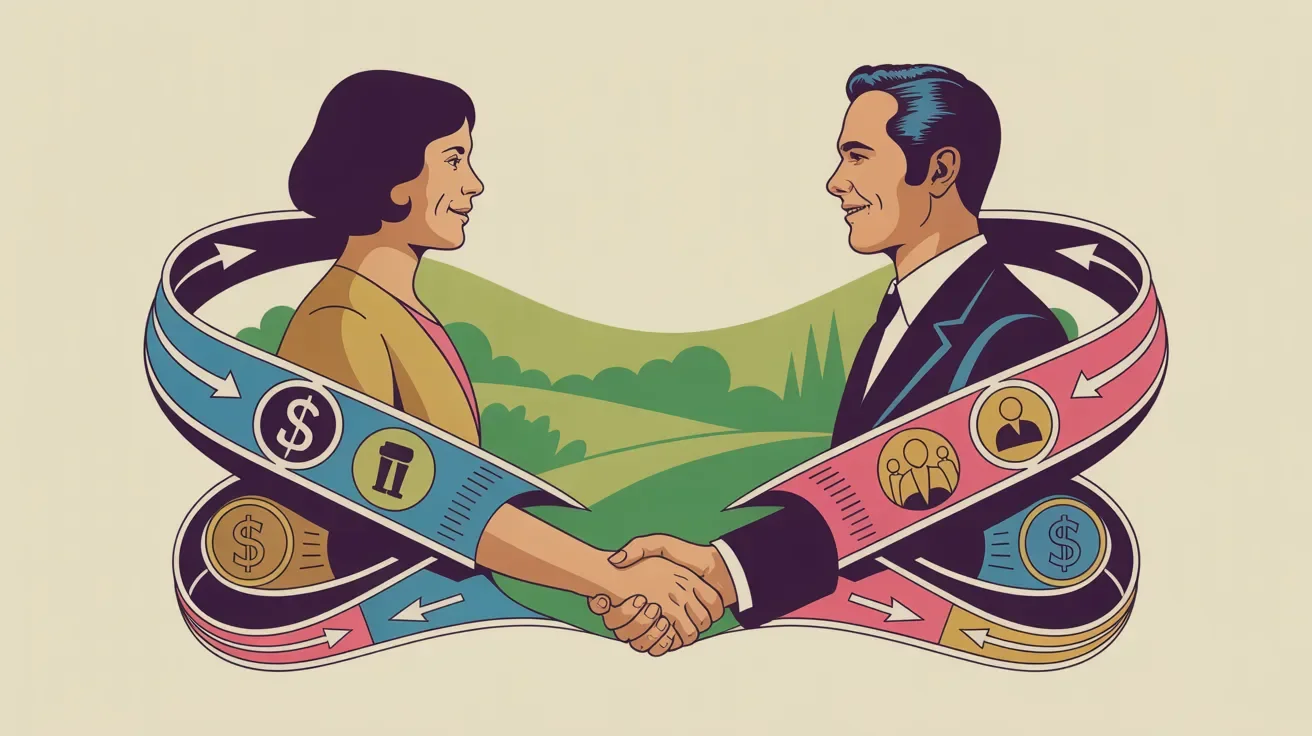
Sponsorships can be the most profitable part of your event—or a frustrating time sink that yields nothing. The difference is whether you have relationships or just a sponsorship deck.
Cold outreach for sponsorships rarely works. The company that's never heard of you isn't going to write a $10,000 check because your benefits package includes logo placement and a table for eight. They get twenty of these asks a month. You're noise.
Warm relationships convert. A board member who knows the marketing director. A donor whose company has a community giving budget. A business owner who's attended your events and believes in your mission. Start with who you know, not who you wish you knew.
Sponsorship benefits should match what sponsors actually want. Some want visibility—logo placement, speaking opportunities, social media mentions. Some want access—seats at the table with community leaders, invitation to VIP reception. Some want employee engagement opportunities. Some honestly just want to support the cause and don't care about benefits. Ask what matters to them instead of assuming.
Price your sponsorships based on value, not wishful thinking. A $25,000 "Platinum" sponsorship needs to deliver $25,000 worth of value—or at least perceived value. If your event draws 150 people in a small community, Fortune 500 pricing doesn't apply.
Create a sponsorship pipeline, not just an annual ask. Sponsors who have a good experience become multi-year sponsors. Check in after the event. Report on outcomes. Invite them to other engagement opportunities throughout the year. Make them feel like partners, not ATMs.
Be willing to customize. The sponsor who wants something not on your menu might write a bigger check if you can accommodate them. Flexibility within reason builds relationships.
Sponsorships reward organizations that invest in relationships year-round, not just when they need money.
The Paddle Raise—Where Fundraisers Succeed or Fail

If your event has one moment that matters, this is it. The paddle raise—also called fund-a-need, direct appeal, or raise the paddle—is where serious fundraising happens.
Everything else is preamble. The cocktail hour, the dinner, the entertainment, the silent auction—all of it exists to get people into the right emotional and social state for this moment. Don't bury it. Don't rush it. Don't apologize for it.
Set up the ask with story. Before you ask for money, remind people why they're there. A two-minute video showing impact. A beneficiary sharing their experience. A compelling statistic that demonstrates need. You're creating emotional momentum that translates to open wallets.
Use a professional auctioneer or a skilled board member. This is not the moment for the shy development director to read from note cards. You need energy, confidence, and crowd-reading ability. A good auctioneer pays for themselves many times over.
Start high and work down through giving levels. "Who will start us off at $10,000?" Even if nobody raises a paddle, you've anchored high. Then $5,000, $2,500, $1,000, $500, $250, $100. Every level should feel achievable and celebrated.
Recognize donors as they give. "Thank you, Table 5! We've got $5,000 from the Johnson family!" Public recognition creates social proof and peer pressure. Others see giving happening and want to participate.
Create urgency. A matching gift that's only available tonight. A specific funding gap that will close when you hit the goal. Reasons to give now rather than "thinking about it" later.
Have volunteers ready to record every pledge. Paddles go up fast. You need people moving through the room capturing names and amounts. Missed pledges are lost revenue.
Follow up within 24 hours. Paddle raise pledges aren't binding. Prompt follow-up converts pledges to payments.
Ticket Pricing and Table Sales Strategy
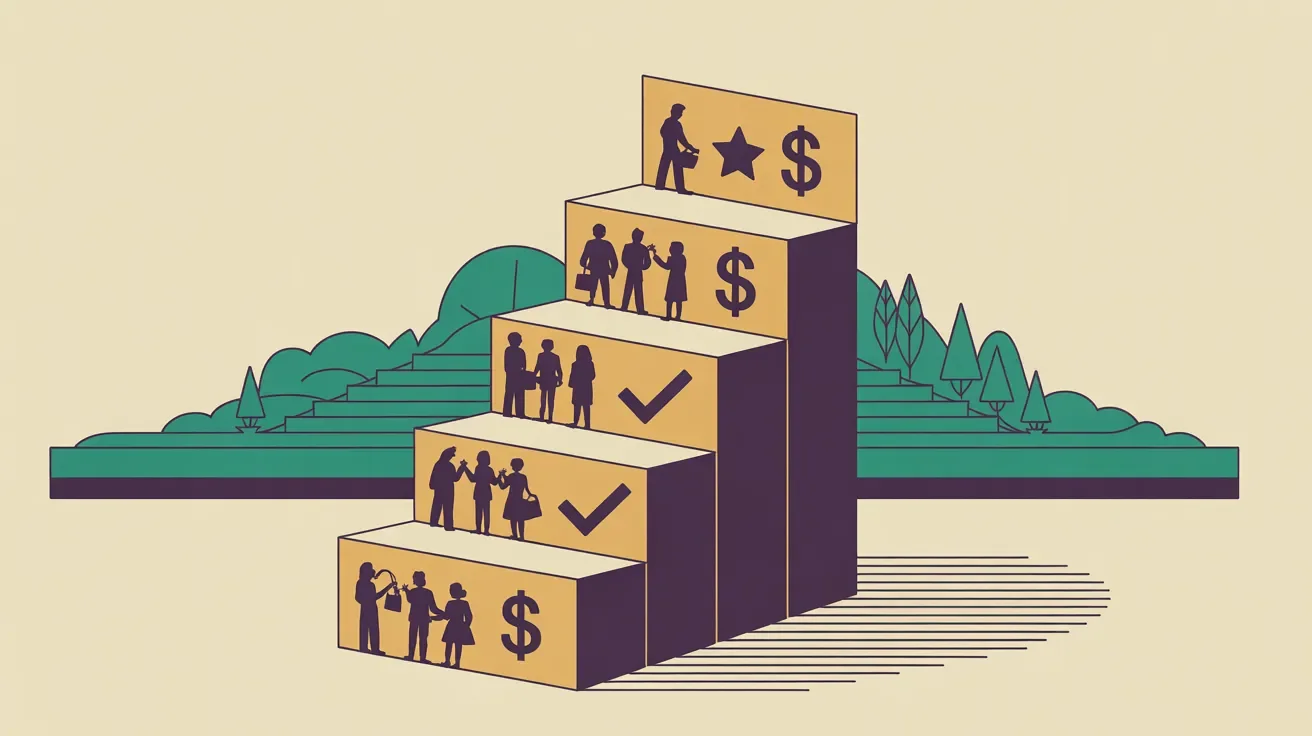
Your ticket price sends a message. Too low, and you're subsidizing attendees from mission funds—the opposite of fundraising. Too high, and you exclude supporters who genuinely care but can't afford premium pricing.
Cover your costs at minimum. If your per-person event cost is $150 (venue, food, drinks, entertainment), your ticket price must exceed that or you're losing money on every attendee. Seems obvious; gets ignored constantly.
Consider what ticket price says about your event. A $50 ticket signals casual community gathering. A $250 ticket signals premium experience with philanthropic intent. A $500 ticket signals major donor cultivation event. Price positions your event before anyone walks in the door.
Table sales outperform individual tickets. A donor who buys a table for $2,500 has committed to filling it with guests—each of whom is now exposed to your mission. The table captain does your outreach for you. Prioritize table sales over individual tickets.
Give table captains tools and deadlines. They need the link to share, the language to use, and firm deadlines for guest names. Check in with them. The table captain who hasn't sold seats by two weeks out needs personal attention.
Create early bird incentives. People procrastinate. A price increase after a certain date motivates earlier commitment, which helps your planning and cash flow.
Offer a "can't attend but want to support" option. Some donors prefer writing a check to attending an event. Make that easy. Don't require attendance to participate financially.
Track your cost per dollar raised. If you're selling $150 tickets to an event that costs $175 per person, you're paying donors to attend your fundraiser. That math only works if those attendees give significantly more through other channels (auction, paddle raise, sponsorship).
The Timeline That Prevents Panic
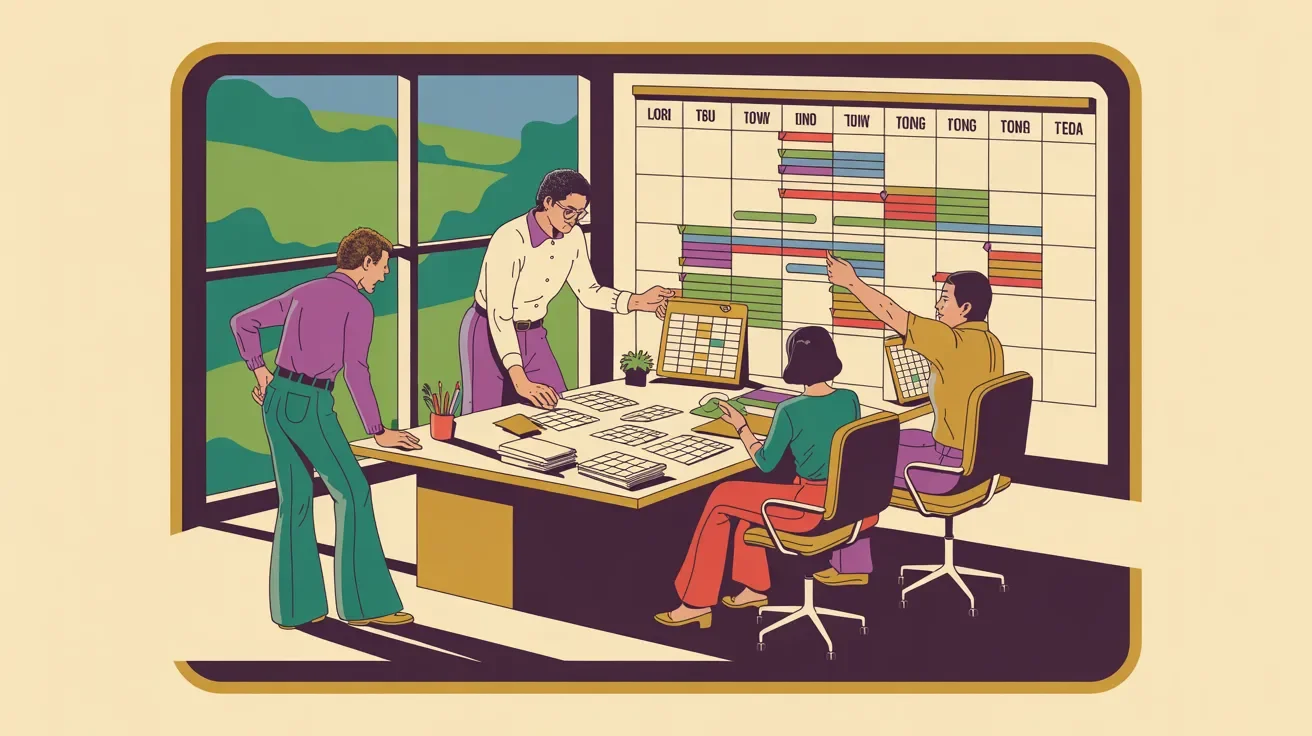
Most charity events are planned in a state of perpetual panic because nobody built a realistic timeline.
Here's what a major fundraising event actually requires:
Six months out: Lock the date, book the venue, establish budget and revenue goals, begin sponsor cultivation, form committee.
Four months out: Confirm entertainment, caterer, and major vendors. Launch sponsorship outreach. Begin auction item solicitation. Design save-the-date.
Three months out: Send save-the-date. Launch ticket sales. Confirm program participants (speakers, honorees, beneficiaries). Finalize event flow and timeline.
Two months out: Push ticket and table sales hard. Finalize auction items. Confirm all vendors in writing. Begin volunteer recruitment.
One month out: Final program development. Seating charts. Auction catalog. Printed materials to printer. Volunteer assignments and training scheduled.
Two weeks out: Final RSVPs and seating. Vendor walk-through at venue. Volunteer briefing. Day-of timeline distributed to all participants.
Week of: Final confirmations. Pack supplies. Brief speakers. Rest before the event—you'll need it.
If you're starting three months out, you're already behind. You can make it work, but something will suffer—probably sponsor revenue, auction quality, or your sanity.
Build backward from your event date. What needs to happen when for everything to be ready? Then add buffer time, because nothing goes according to plan.
Our corporate retreat planning checklist uses the same backward-planning approach—it works for any complex event.
The organizations that seem effortlessly pulled-together started earlier than you think. That polished gala wasn't magic; it was timeline discipline.
Post-Event: Converting Attendance to Ongoing Support

The event is not the goal. The event is the beginning of relationships that generate support over time.
If you throw a great party and then go silent, you've wasted the opportunity. The people who attended are warm. They felt something. They're open to engagement. Don't let that window close.
Segment your follow-up. First-time attendees need a different message than longtime donors. Big paddle raise donors need personal calls, not form emails. Sponsors need customized reporting on their investment. One-size-fits-all follow-up is lazy and less effective.
Move fast. Thank-yous within 48 hours. Personal calls to major donors within a week. New donor welcome sequences launched immediately. Speed signals that you value the relationship.
First-time donors are fragile. They took a chance on you. If their next interaction is a generic newsletter six weeks later, you've lost them. A personal touch in the first two weeks dramatically increases retention.
Share impact quickly. "Because of your generosity at last Saturday's gala, we've already..." connects their giving to outcomes. Don't wait for the annual report. Give them something concrete within a month.
Add everyone to your cultivation pipeline. Which attendees are major gift prospects? Which sponsors should be cultivated for increased giving? Which first-timers showed unusual engagement? Tag them, assign them, and build plans for ongoing relationship development.
Survey for feedback. What did people enjoy? What would they change? Would they attend again? This information improves next year's event and makes attendees feel heard.
Evaluate honestly. Not just revenue—ROI. Not just attendance—quality of attendance. Did you reach new donors? Did you deepen existing relationships? Did the event accomplish what you designed it to accomplish?
Our nonprofit event planning guide emphasizes this same post-event discipline. It's where most organizations drop the ball.
Charity event planning isn't about throwing a beautiful party. It's about raising money efficiently, building relationships strategically, and advancing your mission measurably.
Most fundraisers fail those tests. They cost too much, raise too little, and exhaust the people who plan them. The events that succeed are designed around fundraising from the start, staffed realistically, and followed up systematically.
If your gala has become an expensive habit rather than a strategic investment, it might be time to rethink it.
Purple Wave Creative helps nonprofits plan fundraising events that actually fundraise—without the burnout. Contact us to talk about your next event.