How to Hire a Nonprofit Event Planner (And When You Shouldn't Bother)

Here's something most event planners won't tell you: your nonprofit might not need one.
I've spent 25 years in this industry, and I'll be the first to admit that hiring a professional event planner isn't always the right call—especially for organizations watching every dollar.
But here's the flip side: I've also watched nonprofits burn out staff, exhaust volunteers, and produce mediocre events because they assumed they couldn't afford help. Sometimes the DIY approach costs more than hiring someone when you factor in staff time, missed revenue opportunities, and mistakes that eat into your net.
The challenge is figuring out which situation you're in.
The event planning industry doesn't make this easy. There's a lot of vague marketing about "elevating your event" and "creating unforgettable experiences" that doesn't help you understand what you're actually buying or whether it's worth your limited budget.
So let's cut through it.
This guide is an honest look at when hiring a nonprofit event planner makes financial sense, when it doesn't, what to look for if you do hire, and how to avoid the mistakes that waste money you can't afford to waste.
I'm going to tell you the situations where you should absolutely handle things yourself. I'm also going to tell you when trying to DIY will cost you more than hiring help. Both answers are right depending on your circumstances.
Our nonprofit event planning guide covers the fundamentals of planning events with limited resources. This post focuses specifically on the hire-or-don't-hire decision and how to get it right.
When You Don't Need a Nonprofit Event Planner

Let's start with when you should save your money.
Your event is small and straightforward. A donor appreciation breakfast for 40 people. A volunteer recognition lunch. A simple community gathering. If the logistics are manageable and the stakes are modest, you probably have the internal capacity to pull it off.
You've done this event before successfully. If last year's gala went smoothly with your current team, you likely don't need outside help for this year's. Your learning curve is behind you. You know the vendors, the venue, the pitfalls. Trust your experience.
You have a staff member with event experience. Maybe your development director planned events at a previous job. Maybe your operations manager is genuinely organized and has bandwidth. Real experience on staff changes the equation.
The budget truly can't accommodate it. If hiring a planner means cutting something essential—like the mission moment video or adequate catering—then the trade-off doesn't make sense. A well-executed DIY event beats a poorly-funded professionally-planned one.
Your event's success doesn't depend on flawless execution. Some events are forgiving. A casual community picnic where minor hiccups become funny stories. A low-key house party fundraiser among friends. Not every gathering needs polish.
You have reliable, experienced volunteers. If your volunteer committee has done this before, works well together, and can commit the time, you have a resource many nonprofits lack. Use it.
Be honest in this assessment. The question isn't whether you want to handle it yourself—it's whether you realistically can without sacrificing quality, burning out staff, or missing revenue opportunities.
Our post on when to hire a corporate retreat planner walks through similar decision criteria. The principles translate to nonprofit events.
When You Absolutely Should Hire Help

Now let's talk about when professional help isn't a luxury—it's a necessity you're pretending you don't have.
Your staff is already maxed out. If your development director is managing individual giving, grant applications, donor communications, and board relations, adding event planning breaks something. Usually everything breaks a little, which is worse than one thing breaking completely.
The event is high-stakes. Your annual gala that raises 30% of your budget. The capital campaign launch with major donor prospects attending. The anniversary celebration with community visibility. When failure has serious consequences, professional support is risk mitigation.
You're attempting something you've never done. First-time event planners don't know what they don't know. The venue contract clause that'll cost you. The timeline assumption that's unrealistic. The vendor who seems fine but isn't. Experience has value precisely because inexperience has costs.
Your previous events have underperformed. If last year's gala netted less than it should have, if attendance has plateaued, if the same problems keep recurring—that's a sign your current approach isn't working. Fresh expertise might identify what you're missing.
Board or donors have elevated expectations. When significant stakeholders expect a polished experience, delivering anything less damages relationships. Sometimes you're not just planning an event—you're protecting your organization's reputation.
You're burned out but haven't admitted it. The executive director doing everything. The development team running on fumes. The volunteers who've been carrying too much for too long. Burnout is expensive. Sometimes hiring help is really hiring relief.
The math works when you calculate staff time. If your $8,000 planner saves your $60,000 development director 200 hours, that's a $12,000 swing in your favor—before counting improved event outcomes.
What Nonprofit Event Planners Actually Do

Before you hire, understand what you're buying. Event planning is more than booking venues and ordering napkins.
The visible work is what you'd expect: venue selection and contracting, vendor coordination, timeline development, logistics management, day-of execution. Anyone can technically do these things. They're not mysterious.
The invisible work is where professionals earn their fee. Knowing which venues have hidden costs. Recognizing vendor red flags before they become problems. Understanding how long things actually take versus how long people think they take. Anticipating what's going to go wrong and preventing it.
Budget management is critical for nonprofits. A good planner helps you allocate limited resources for maximum impact, identifies where to save without sacrificing quality, and tracks spending to prevent overruns. They should be making your money work harder, not finding ways to spend more of it.
Vendor relationships matter. Planners who work regularly with caterers, AV companies, and rental vendors get better service and sometimes better pricing. They know who delivers and who disappoints. That knowledge saves you from learning the hard way.
Volunteer coordination might be part of the scope. Some nonprofit event planners specialize in managing volunteer teams—recruiting, training, scheduling, and directing volunteers who need more guidance than paid staff would.
Fundraising integration separates nonprofit event planners from generic event planners. They understand paddle raises, sponsorship structures, auction strategy, and donor psychology. They design events to maximize giving, not just minimize problems.
Post-event follow-up might be included or might be your responsibility. Clarify this upfront. The best planners help you capture results and set up follow-through systems.
Not every planner offers everything. Know what you need most and hire accordingly.
What to Look For (And What to Avoid)
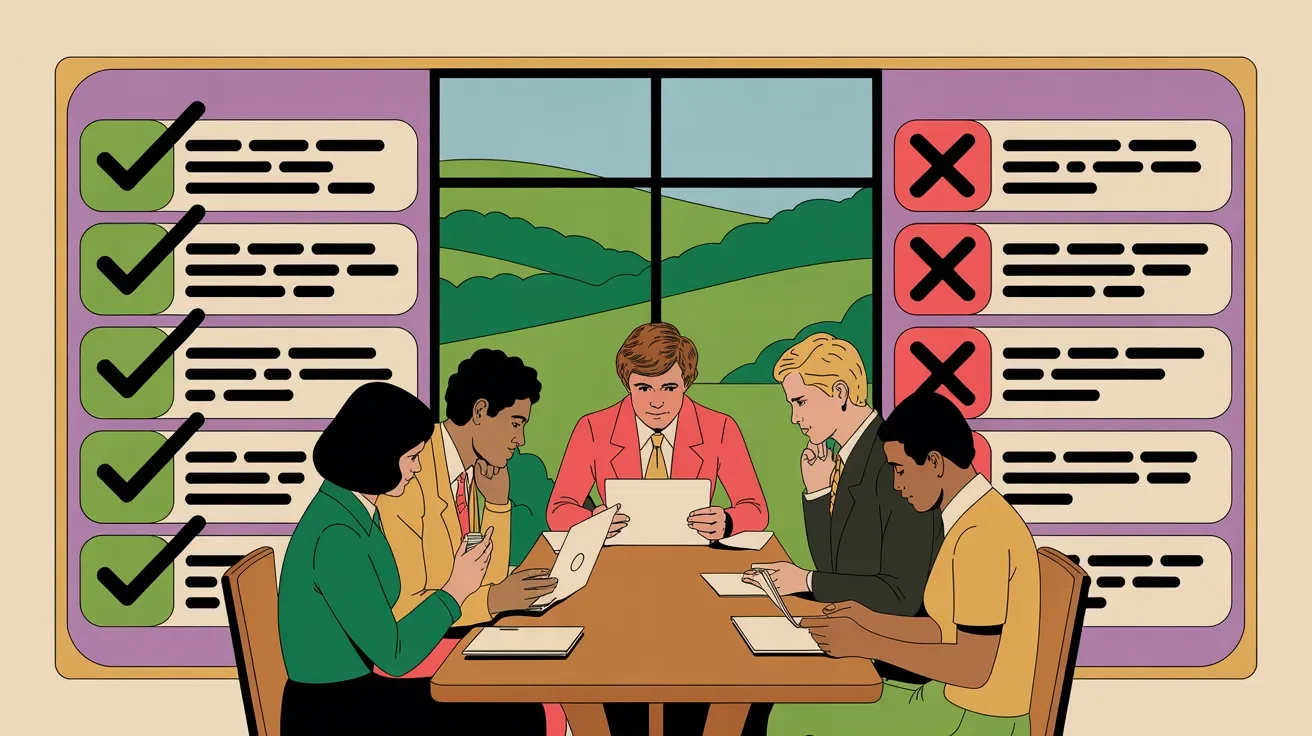
Look for nonprofit-specific experience. Corporate event planners and wedding planners have skills, but nonprofit events have unique constraints—volunteer reliance, budget sensitivity, fundraising integration, mission focus. Someone who's only planned corporate events may not understand your world.
Ask about fundraising outcomes, not just event execution. How much did their events net? How did they maximize revenue? A planner who talks only about how beautiful the event was and not about financial results may not understand nonprofit priorities.
Check references from similar organizations. Not just any references—references from nonprofits of similar size facing similar challenges. A planner who's great for large institutions might struggle with smaller grassroots organizations, and vice versa.
Understand their fee structure. Flat fee? Hourly? Percentage of budget? Each has implications. Percentage-based fees can create incentive misalignment—the more you spend, the more they make. Flat fees require accurate scoping. Hourly works for defined projects but can balloon without caps.
Evaluate their budget philosophy. Do they default to "you need this" or "here's how to save"? A planner who immediately suggests expensive additions may not respect your constraints. You want someone who thinks in net revenue, not gross production value.
Assess communication style. Do they listen before proposing? Do they explain their reasoning? Do they respond promptly? You're entering a working relationship. Compatibility matters.
Beware of the planner who agrees with everything. If they never push back, they're not adding strategic value. You're hiring expertise, which means occasionally hearing "that won't work" or "here's a better approach."
Avoid anyone who dismisses your budget concerns. "You really should spend more on this" from someone who hasn't demonstrated understanding of your constraints is a red flag. Nonprofit planners should be creative within limitations, not resentful of them.
How to Structure the Engagement
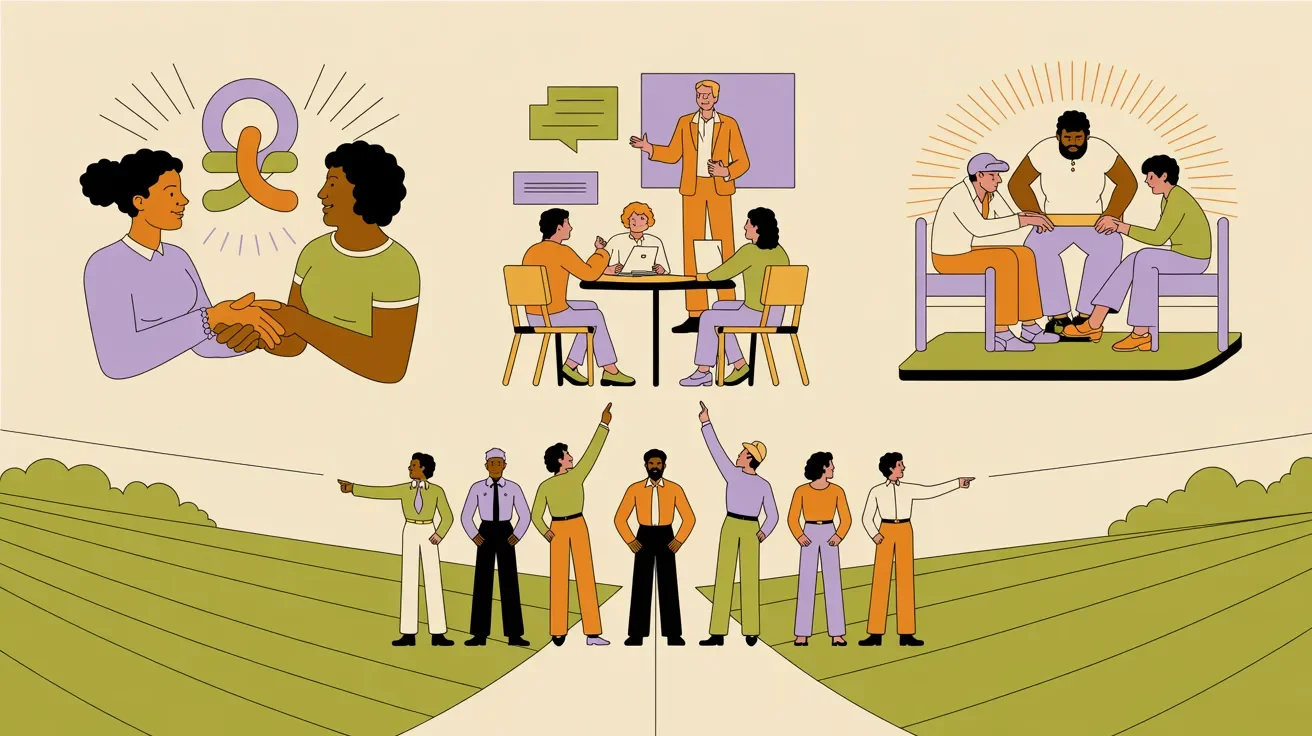
Not every engagement needs to be full-service. Understanding your options helps you get the help you need at a price you can afford.
Full-service planning means the planner handles everything from concept to cleanup. They manage the entire process; you provide input and approvals. This costs most but saves most staff time. Right for organizations with minimal internal capacity or high-stakes events requiring seamless execution.
Partial planning divides responsibilities. Maybe the planner handles vendor coordination while you manage volunteers. Maybe they design the event and you execute it. This requires clear scope definition—who owns what?—but can be cost-effective.
Consulting or advisory means you're doing the work but getting expert guidance. The planner reviews your plans, offers recommendations, identifies risks you haven't seen. Think of it as renting expertise without renting execution. Good for experienced teams who need a strategic gut-check.
Day-of coordination means the planner steps in only for event execution. You've done all the planning; they manage the actual day so you can focus on guests and mission. Lower cost, high impact if your planning is solid but your day-of capacity is limited.
Training your team is another option. Some planners will train your staff and volunteers to execute better events independently. Higher upfront investment that pays dividends across multiple future events.
Match the engagement to your real needs. Full-service when you're overwhelmed. Advisory when you need expertise but have capacity. Day-of when planning is handled but execution needs a steady hand. There's no universally right answer—only what's right for your situation and budget.
Get the scope in writing. What's included? What's not? What happens when something outside scope arises? Clear contracts prevent misunderstandings and protect both parties.
Questions to Ask Before You Hire

Don't just ask for a proposal. Have a real conversation. These questions reveal whether someone understands nonprofit events:
"Tell me about an event that didn't go as planned and how you handled it." Everyone has failures. What matters is whether they learned from them and how they respond to adversity. Planners who claim perfection are lying.
"How do you think about maximizing net revenue, not just creating a great experience?" This reveals whether they understand nonprofit priorities. The answer should demonstrate budget consciousness and fundraising awareness.
"What would you do if we were headed toward budget overrun?" You want someone who'll flag problems early and propose solutions, not someone who'll spend first and apologize later.
"How have you worked with volunteer teams?" Nonprofit events rely on volunteers. A planner who's only managed paid staff may struggle with the different dynamics.
"What questions do you have about our organization and this event?" Good planners are curious. They want to understand your mission, your donors, your constraints. If they're already proposing solutions before understanding your situation, that's concerning.
"Can you provide references from nonprofits with similar budgets?" References from organizations spending $200,000 on events don't tell you much if your budget is $30,000. Context matters.
"What's not included in your fee?" The proposal might look affordable until you discover that printing, vendor tips, and "coordination time" are all extra. Understand the true cost.
"How do you communicate during the planning process?" Weekly calls? Shared documents? Email updates? Make sure their style matches your needs. A planner who goes silent for weeks creates anxiety you don't need.
Trust your gut. If something feels off in the interview, it won't get better during a stressful planning process.
Making the Relationship Work

Hiring the planner is the beginning, not the end. How you work together determines whether the engagement succeeds.
Be clear about decision-making authority. Who approves vendor selections? Who signs contracts? Who can make game-time calls? Ambiguity creates delays and frustration. Establish this upfront.
Provide what they need promptly. Guest lists. Logo files. Beneficiary contacts. Approval on proposals. Your planner can only move as fast as you enable them. Delays on your end compress their timeline.
Share the context they can't see. The board member with strong opinions about décor. The donor relationship that needs delicate handling. The history that explains why things are done a certain way. Internal knowledge helps them navigate your organization's dynamics.
Trust their expertise, but stay engaged. You hired a professional—let them do their job. But don't disappear entirely. Check in regularly. Review key decisions. Stay close enough to catch misalignment early.
Raise concerns immediately. If something feels wrong, say so. The small issue you ignore becomes the big problem you can't fix later. Good planners welcome feedback; they'd rather adjust than discover problems on event day.
Remember they work for you, but they're not employees. They're partners with their own professional judgment. A healthy dynamic involves mutual respect, not command-and-control.
Debrief honestly afterward. What worked? What would you do differently? This helps them improve and helps you decide whether to work together again. The best ongoing relationships are built on honest feedback.
Consider this a trial for future events. If the relationship works well, you've found a long-term partner who understands your organization better each year. That continuity has value beyond any single event.
The Budget Conversation Nobody Wants to Have

Let's talk about money, because that's usually the real issue.
Professional event planners cost real money. Depending on your market and event complexity, you might pay $3,000 to $15,000 or more for comprehensive planning. Day-of coordination might be $1,000-$3,000. Consulting engagements vary widely.
Yes, that's a lot for a tight nonprofit budget. I know. But let's do the math honestly.
If hiring a planner improves your net revenue by even 15%—through better auction strategy, more effective paddle raise, smarter sponsorship packaging—does that exceed the fee? If a $100,000 gross event nets $35,000 without help and $45,000 with help, you've gained $10,000 minus the planner's fee.
What's your staff time worth? If your development director earns $60,000 and benefits cost another $15,000, they cost roughly $40/hour. Two hundred hours of event planning is $8,000 in staff cost—time not spent on donor cultivation, grant writing, or other revenue-generating activities.
What's the cost of burnout? Staff turnover is expensive. If event stress contributes to losing a good employee, the replacement cost (typically 50-200% of salary) dwarfs any planner's fee.
What's the cost of mistakes? The vendor contract clause that costs you $3,000. The auction items that don't get bid on because display was wrong. The paddle raise that underwhelms because timing was off. Experience prevents expensive errors.
This isn't an argument that you must hire a planner. It's an argument for honest accounting. Sometimes DIY genuinely costs less. Sometimes it costs more but feels cheaper because the costs are hidden.
Our charity event planning post covers budget math in detail. Run your numbers before deciding.
Hiring a nonprofit event planner isn't about admitting you can't handle it yourself. It's about honestly assessing whether professional help produces better outcomes than going it alone.
Sometimes the answer is no—your team has the capacity and experience to deliver. Sometimes the answer is yes—the investment returns more than it costs through better execution, higher revenue, and preserved staff sanity.
Know which situation you're in. Then act accordingly.
Purple Wave Creative provides event planning for nonprofits and associations who need experienced help without the overhead. Contact us if you want to talk through whether we're the right fit.