Golf Outing Planning: A Complete Guide for Tournaments That Actually Run Smoothly

I've watched a lot of golf outings go sideways.
The registration table that wasn't ready when players arrived. The tee time schedule that fell apart by hole three. The sponsor who expected signage that never got printed. The awards dinner that ran an hour late because scoring was a mess. The "we do this every year" assumption that masked the fact that nobody actually knew what they were doing.
Golf outings look simple from the outside. People show up, hit balls, eat lunch, go home. How hard can it be?
Harder than most organizers expect. A golf outing has more moving pieces than a typical event—course logistics, tournament formats, player management, sponsor fulfillment, on-course activities, and an awards program that requires accurate scoring from 18 different holes. When it works, it looks effortless. When it doesn't, everyone notices.
This guide is for anyone planning a golf outing—whether it's a charity fundraiser, a corporate client event, an association member appreciation day, or an internal team-building outing. The fundamentals apply across all of them.
I've spent 25 years planning corporate events, including more golf tournaments than I can count. Some for Fortune 500 companies entertaining clients. Some for associations cultivating members. Some for nonprofits trying to raise money. The details vary; the principles don't.
Our nonprofit event planning guide covers resource-constrained event fundamentals. Our charity event planning guide addresses fundraiser-specific strategy. This post goes deep on the specific logistics and execution of golf outings themselves.
If you're about to plan your first golf outing—or your fifteenth—this is the playbook.
Choosing the Right Format for Your Goals

The format you choose shapes everything—pace of play, player experience, scoring complexity, and how much fun people actually have.
Scramble is the most common format for charity and corporate outings, and for good reason. Every player hits, the team picks the best shot, everyone plays from there. Repeat until the ball is in the hole.
Why it works: it's forgiving. The high-handicap player who tops their drive doesn't hold up the group—someone else hit a good one. Pace of play stays manageable. Everyone contributes something. It's social without being stressful.
Best ball (also called four-ball) means everyone plays their own ball, and the team takes the lowest score on each hole. More challenging than scramble—weak players can't hide—but still team-oriented.
Individual stroke play is traditional golf: everyone plays their own ball, every stroke counts. Works for competitive outings with skilled players. Creates clear winners. But pace of play suffers with mixed skill levels, and struggling players have miserable days.
Modified scramble variations exist: requiring a certain number of each player's drives, limiting how many times the best player's shot can be used. These add strategy without the pressure of individual play.
For most charity and corporate outings, scramble is the right answer. It maximizes fun across skill levels, keeps the round moving, and creates team bonding. Save individual formats for outings where everyone is a legitimate golfer.
Match your format to your goals. Fundraiser where fun matters more than competition? Scramble. Competitive association tournament with serious golfers? Best ball or stroke play. Corporate outing for clients with mixed abilities? Scramble, always.
The format decision cascades into everything else—scoring systems, prize structures, pace management, and player satisfaction.
Selecting and Working With the Golf Course

Your course relationship makes or breaks the event. A cooperative course pro and accommodating staff solve problems before they start. A difficult course creates headaches you'll manage all day.
Book early—especially for prime dates. Weekend outings in May, June, and September book 6-12 months ahead at popular courses. Weekday availability is better but still competitive for charity tournaments. If you have a date in mind, lock it down before planning anything else.
Understand what's included and what's extra. Green fees, cart rental, range balls, bag handling, beverage cart access, on-course restrooms, scoring support, clubhouse space for registration and awards—get every detail in writing. Assumptions lead to surprise charges.
Ask about course exclusivity. Will your group have the entire course, or will regular players be teeing off alongside you? Shotgun starts (everyone begins simultaneously on different holes) require full-course buyout. If you're doing tee times, mixed play might be acceptable but affects the event feel.
Evaluate the clubhouse and event spaces. Registration needs a visible area near the first tee or clubhouse entrance. Awards dinners need appropriate room capacity, AV capability, and catering options. Some courses have great layouts and terrible event facilities.
Meet the staff who'll actually work your event. The sales manager who books your outing isn't the one running it day-of. Meet the tournament coordinator, the starter, the food and beverage manager. These relationships matter when problems arise.
Get hole sponsorship logistics nailed down. Where can sponsors place signage? What size? Who installs—you or the course? Can sponsors have tents or tables on holes? Promotional giveaways on course? Course policies vary widely.
Visit in person before signing. Photos lie. Walk the registration area, the first tee, the turn (between holes 9 and 10), and the awards space. Visualize your event flow.
Sponsors—The Financial Engine of Most Outings
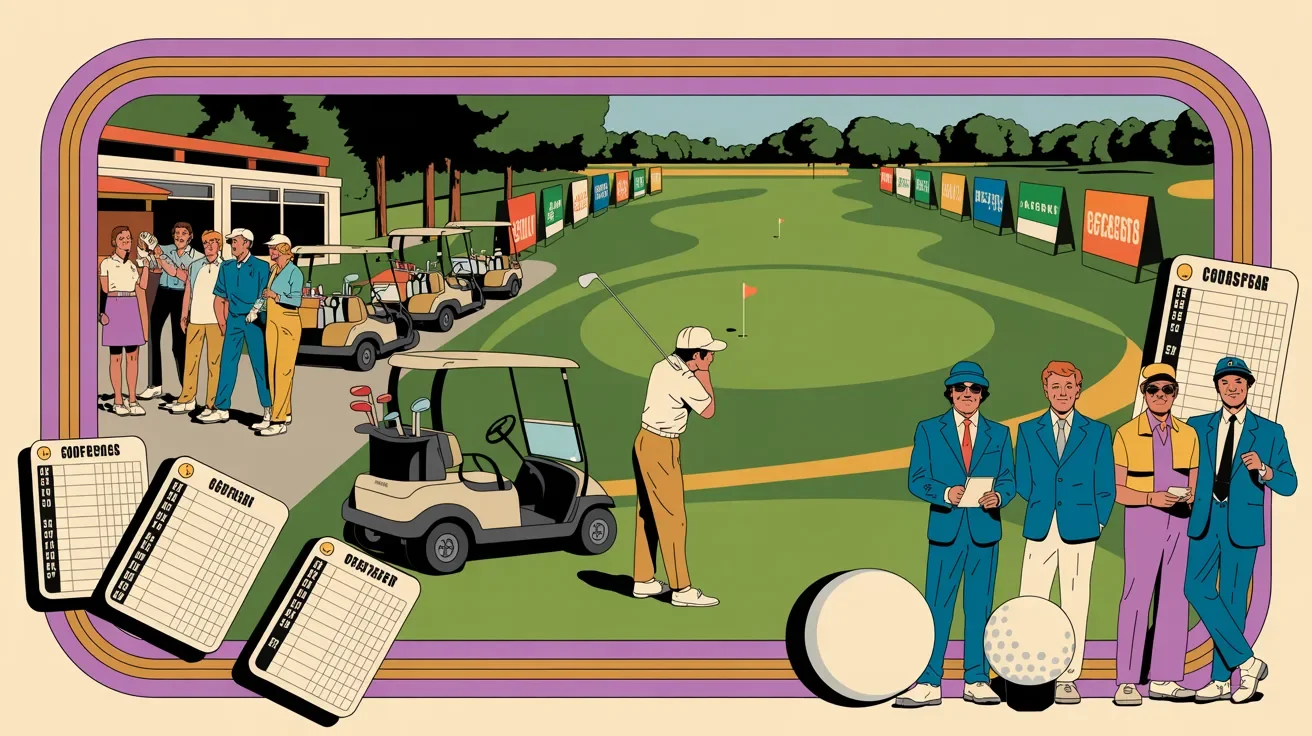
For charity and many corporate outings, sponsorships are where the real money comes from. Player fees cover costs; sponsorships generate net revenue.
Create tiered sponsorship packages with clear differentiation. Title/Presenting Sponsor at the top with maximum visibility. Then descending levels—Gold, Silver, Bronze or whatever naming convention fits—with proportionally fewer benefits.
Common sponsorship opportunities include:
Title/Presenting Sponsor: name on everything, premium signage, speaking opportunity, featured table placement
Hole Sponsors: signage at a specific tee box, often with option for on-hole activation
Beverage Cart Sponsor: logo on carts, product sampling opportunity
Driving Range Sponsor: signage at practice area
Putting Contest Sponsor: branding on contest, often with experiential activation
Lunch/Dinner Sponsor: recognition during meal, menu branding
Golf Cart Sponsor: logo on all carts
Prize Sponsor: recognition in awards program
Goodie Bag Sponsor: logo on bag, items included
Price based on your market and audience. A charity outing in a small market might price hole sponsorships at $250-500. A corporate outing targeting major clients might command $2,500+ per hole. Know what your sponsors will bear.
Deliver on every promised benefit. Sponsor fulfillment is where trust gets built or destroyed. Create a checklist for each sponsor level. Assign someone to own fulfillment. Photograph every sponsor's signage and share photos afterward.
Creating professional sponsor signage, banners, and recognition materials matters—hand-written signs on poster board signal amateur hour. Your sponsors are putting their brand next to yours; give them quality.
Sponsorship revenue has high margins—most of it is pure net after signage and recognition costs. Cultivate these relationships year-round, not just when you need checks.
Registration, Tee Times, and Player Management
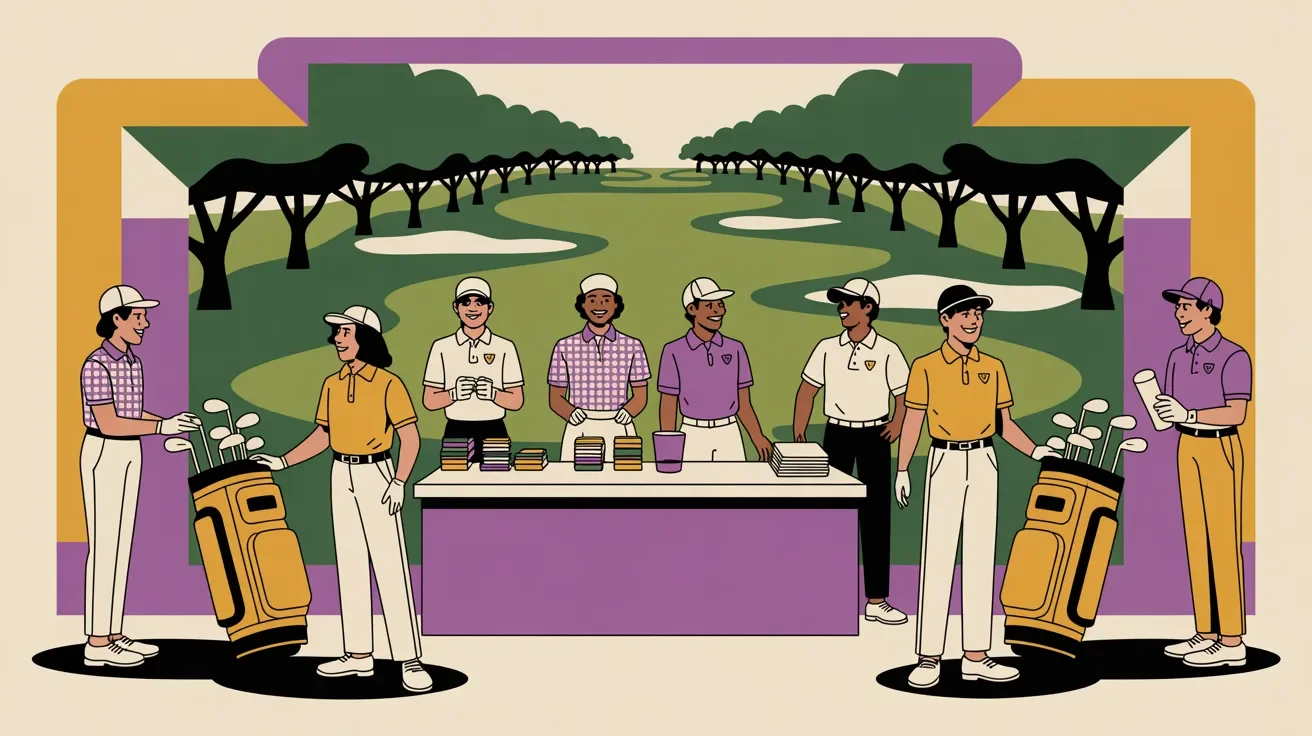
Registration is your first impression. A smooth check-in signals a well-run event. Chaos at the registration table creates anxiety that follows players onto the course.
For shotgun starts: All players arrive within a window (typically 30-60 minutes), check in, get cart assignments with starting holes, and proceed to their designated tee. At the horn, everyone starts simultaneously. This requires more complex logistics but keeps the entire group on the same schedule.
For tee time starts: Players arrive for their specific tee time, check in, and proceed to the first tee. More spread out arrival, simpler registration, but the event stretches over several hours and group cohesion is harder.
Registration table essentials:
Alphabetical player list with team assignments
Cart numbers and starting hole assignments (for shotgun)
Scorecards, rules sheets, and course information
Goodie bags or player gifts
Sponsor materials and promotional items
Payment processing for last-minute registrations
Signage directing players to carts, practice areas, and first tee
Staff your registration appropriately. Minimum two people for small outings, more for larger events. Brief them thoroughly—they should be able to answer any question about format, rules, schedule, or logistics.
Build buffer time. If your shotgun is at 9:00 AM, registration should open at 7:30. Players need time to check in, find their cart, hit the range, and get to their starting hole. Rushed players make for a chaotic start.
Collect information you'll need. Email addresses for follow-up. Handicaps if you're doing net scoring. Dietary restrictions for meals. This is easier to gather at registration than to chase afterward.
Post-event, you'll want to reach everyone who played—thank yous, photos, save-the-dates for next year. Capture their information now.
On-Course Experience—The Details Players Remember
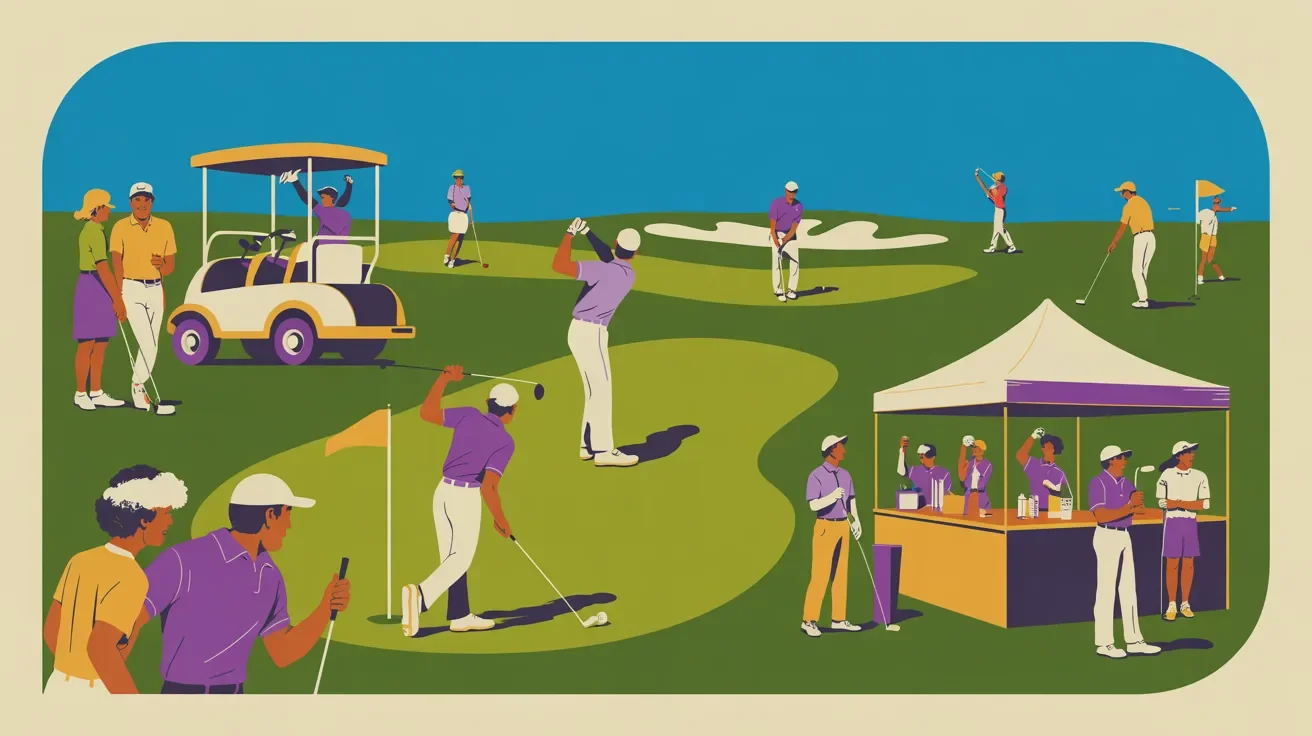
The four-plus hours on the course are the event. Everything else is prologue and epilogue. Make those hours memorable.
Beverage cart service is non-negotiable. Players expect drinks available on course—water, soft drinks, beer if appropriate for your event. Frequency matters: every three to four holes minimum. A beverage cart is hospitality in motion.
On-course contests add excitement:
Longest drive: marked fairway, usually hole with wide landing area
Closest to the pin: par 3 holes, measured from pin to ball
Putting contest: usually at practice green before or after round
Hole-in-one contest: par 3 with prize (often insurance-backed for big prizes like cars)
Staff contest holes if you can. Volunteers at longest drive and closest to pin ensure accurate measurement and create energy on course.
Hole sponsor activations make sponsorships valuable. Let sponsors set up at their hole—branded tent, product samples, giveaways, interactive elements. This creates touchpoints throughout the round and gives sponsors tangible presence beyond signage.
The turn matters. Between holes 9 and 10, players expect a bathroom break and often food—snacks, hot dogs, sandwiches. Some outings do a full halfway meal. Plan this deliberately; don't leave players hungry for a nine-hole back stretch.
Pace of play management prevents frustration. Rangers or marshals moving around the course can prevent backups. Starter should set clear expectations about pace. For scrambles, 4.5-5 hours is typical; much longer and players get frustrated.
Weather contingency plans are essential. What happens if there's lightning delay? Rain? Dangerous heat? Know the course's policies and have communication plans for getting information to players spread across 18 holes.
Contest signage, sponsor hole signs, and directional wayfinding should look professional—they represent your organization all day.
Scoring—Get It Right or Pay the Price
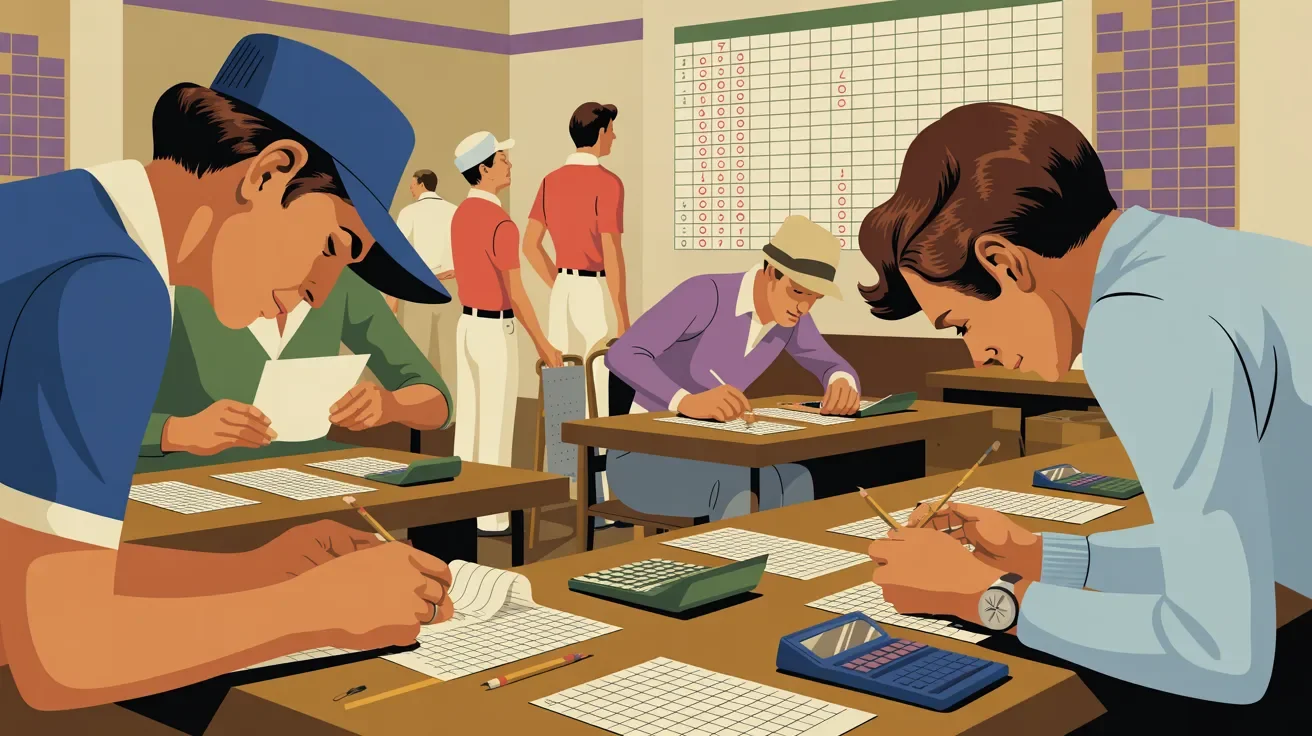
Scoring errors ruin awards ceremonies. Nothing kills the energy faster than announcing the wrong winner, recalculating on the fly, or delaying dinner while volunteers frantically re-add scorecards.
Keep scoring simple for most outings. Scramble format with gross score (total strokes) is the easiest to tabulate and verify. Adding handicap adjustments or multiple scoring categories multiplies complexity and error potential.
Decide your tiebreaker system in advance. Matching scores happen constantly. Common approaches: scorecard playoff (best score on hardest holes), matching cards (back nine, then back six, then back three), or simply shared prizes. Whatever you choose, announce it in the rules.
Collect scorecards at a central location. Typically at the 18th green or just inside the clubhouse. Have volunteers verify the card is complete—all holes filled in, total calculated, card signed by a team member. Catching errors immediately is easier than tracking down players later.
Double-check every calculation. Addition errors are embarrassingly common. Have two people independently verify winning scores before announcing anything.
Consider scoring software or apps. Mobile scoring systems let players enter scores hole-by-hole, automatically calculate results, and generate instant leaderboards. They require reliable cell coverage and player adoption—but eliminate most tabulation headaches.
Build time into your schedule for scoring. If dinner is at 5:00 and the last group finishes at 4:30, you have 30 minutes to collect all cards, verify scores, identify winners, and prepare for awards. That's tight. Build in more buffer than you think you need.
Prepare for disputes. Someone will claim their score was recorded wrong. Someone will argue the tiebreaker was applied incorrectly. Stay calm, verify facts, and make the fairest decision you can. Having clear rules in writing helps.
The Awards Program—End Strong

The awards program is your final impression. After 4-5 hours on the course, players are tired, hungry, and ready for recognition. Deliver.
Start with food. Hangry golfers don't make a good audience. Whether it's a full dinner, heavy appetizers, or boxed lunches—feed people first. Then do awards while they're comfortable and attentive.
Keep it moving. A 90-minute awards program is too long. Hit the key categories, recognize sponsors appropriately, thank volunteers, and let people go. Energy dies when ceremonies drag.
Typical award categories:
First, second, third place teams (adjust based on field size)
Contest winners (longest drive, closest to pin, putting)
Specialty awards (best dressed, worst score with good attitude, etc.)
Raffle or door prizes
Recognize sponsors proportionally. Title sponsor gets significant acknowledgment—verbal thanks, moment on stage if appropriate. Lower-tier sponsors get grouped recognition. Don't read every hole sponsor individually; it takes forever and nobody listens.
Raffle prizes build energy. If you're doing a raffle (check state laws for charity events), spread prizes throughout the program to keep people engaged. Big prize at the end keeps people from leaving early.
Have prizes ready and organized. Nothing kills momentum like hunting for the second-place trophy while everyone waits. Stage prizes in presentation order. Assign someone to hand them to the MC.
Professional MC makes a difference. Someone comfortable on a microphone, able to ad-lib when needed, who keeps energy up. This might be a board member, volunteer, or professional emcee for larger events.
For charity outings, include the mission moment. Brief—two minutes max—but remind people why they're here. A beneficiary story, impact statistics, or simple thank you for supporting the cause. Then resume the celebration.
Promoting Your Golf Outing
Even great outings fail if nobody registers. Promotion is where many golf events underperform—relying on the same players year after year without growing the field.
Start early and stay consistent. Save-the-date communications 4-6 months out. Registration opening 3-4 months out. Regular reminders leading up to deadlines. Final push in the last two weeks.
Email is your workhorse. Your existing player database, sponsor contacts, member lists, and organizational email should all receive a coordinated campaign—not one email, but a sequence building urgency toward registration deadlines.
Make registration frictionless. Online registration with credit card payment is expected. Complex forms with excessive fields reduce completion rates. Capture essential information only; get the rest at check-in.
Social promotion extends reach beyond your existing lists. Event pages, countdown posts, sponsor recognition, player testimonials from previous years, and behind-the-scenes prep content all build awareness and interest.
Personal outreach beats mass communication. Board members, committee members, and past players personally inviting colleagues and friends fills foursomes faster than any email blast. Give them easy tools—forwarding language, registration links, key details—and specific goals.
Sponsor recruitment is marketing too. Don't just send sponsorship decks and wait. Personal calls, meetings, and relationship-based asks convert at dramatically higher rates.
Your promotional materials—save-the-dates, email graphics, social images, registration page—should look professional and cohesive. Consistent branding signals a well-run event before anyone shows up.
Create urgency. Early bird pricing that expires. Limited field size. Deadline for team formation. People procrastinate; give them reasons to commit now.
Our corporate golf outing post goes deeper on promotion for business-focused events.
Day-Of Execution—Your Game Plan

Event day is not the time for improvisation. Everything should be planned, assigned, and communicated before the first player arrives.
Create a detailed timeline. When does setup begin? When do volunteers arrive? When does registration open? Shotgun time? Expected finish? Awards start? Every milestone documented and shared with everyone involved.
Brief your team thoroughly. Every volunteer should know their role, their location, their backup if something goes wrong, and who to contact with questions. A 15-minute morning briefing prevents hours of confusion.
Arrive earlier than you think necessary. Things take longer than expected. Signage placement, registration setup, course walk-through, sponsor coordination—build in margin for the unexpected.
Assign a troubleshooter. One person whose job is solving problems, not executing tasks. The volunteer who doesn't show. The sponsor sign that's missing. The player who insists they registered but isn't on the list. Someone needs bandwidth to handle issues without derailing operations.
Communication systems matter. For larger outings, walkie-talkies or a group text thread keep the team connected across the course and clubhouse. When the last group finishes hole 18, scoring needs to know immediately.
Walk the course before the round. Verify all signage is in place. Contest holes are set up correctly. Sponsor activations are ready. Beverage cart is stocked. Catch problems while there's time to fix them.
Stay visible and calm. Players and sponsors want to see confident, accessible leadership. Even when problems arise—and they will—handle them with composure. Your stress becomes everyone's stress.
Our corporate retreat planning checklist covers day-of logistics for events generally—the principles of timeline discipline and clear role assignment apply to golf outings too.
Post-Event—Capture Value While It's Fresh

The event ends when the last player leaves. But your work continues if you want to build on what you've created.
Thank-yous within 48 hours. Players, sponsors, volunteers, course staff—everyone who contributed deserves prompt appreciation. Personal notes to major sponsors. Mass email to players with photos and results. Handwritten cards to key volunteers.
A well-designed thank-you email with event photos, final results, and save-the-date for next year extends the event's impact and builds your list for future communication.
Share photos widely. Players want to see themselves on course. Sponsors want to see their logos displayed. Post-event social content extends the celebration and provides proof-of-concept for next year's recruitment.
Deliver sponsor reports. Document what each sponsor received—signage photos, logo placements, verbal recognition, any metrics available (attendance, social reach, etc.). This sets up the renewal conversation and demonstrates professionalism.
Debrief while memory is fresh. Within a week, gather your team to discuss what worked, what didn't, what to change. Write it down. In twelve months, you won't remember the details that seem obvious now.
Calculate real results. Total revenue, total expenses, net proceeds. For charity outings, this is your headline number. For corporate outings, assess relationship value generated. Be honest about ROI.
Start planning next year. Book the course while you have the relationship warm. Lock in the date before the calendar fills. Identify this year's problems and begin solving them for next year.
Our fundraising event planning ROI guide covers post-event measurement in depth—the same discipline applies here.
Common Mistakes That Ruin Golf Outings
Learn from others' failures. These mistakes happen at golf outings every weekend—don't let them happen at yours.
Underestimating pace of play. A scramble with four players per team takes 4.5-5 hours minimum. Planning a noon shotgun with a 4:00 PM awards program is optimistic to the point of delusion. Build realistic timing.
Poor communication with the course. Assumptions kill. What's included in the fee? Who sets up signage? Where can sponsors activate? What happens in bad weather? Get everything in writing before event day.
Sponsor benefit failures. Promised signage that doesn't appear. Logo left off the program. Recognition missed during awards. Every failure damages a relationship and risks future revenue. Create a fulfillment checklist and verify everything.
Chaotic registration. Inadequate staffing, missing materials, no backup plan for last-minute changes. Players arriving to confusion start the day frustrated.
Scoring disasters. Cards not collected, math errors not caught, winners announced incorrectly. Nothing makes an organization look more amateur than botched scoring.
Overloaded awards program. Recognizing every single sponsor individually, reading every raffle ticket slowly, speeches that go on forever. People want their prizes and their dinner, not a marathon ceremony.
Ignoring weather plans. Hoping for good weather isn't a strategy. Lightning policies, rain contingencies, heat protocols—know the course's procedures and have communication plans ready.
Forgetting the food. Hungry golfers after five hours on course make a hostile audience. Feed people promptly—before awards, not during.
No post-event follow-through. Sponsors never receive photos or reports. Players never get a thank you. Next year's planning starts from scratch. Value evaporates because nobody captured it.
Golf outing planning looks simple until you're responsible for 100+ players, a dozen sponsors, and five hours of on-course logistics. The events that run smoothly aren't lucky—they're well-planned.
Format selection, course relationships, sponsor management, registration systems, on-course experience, scoring accuracy, and awards execution all require deliberate attention. Skip any of it, and your outing feels amateur.
Do it right, and you've created an event people look forward to all year.
Purple Wave Creative helps organizations plan golf outings that deliver—for charity, corporate, or association audiences. Contact us if you want experienced support for your tournament.